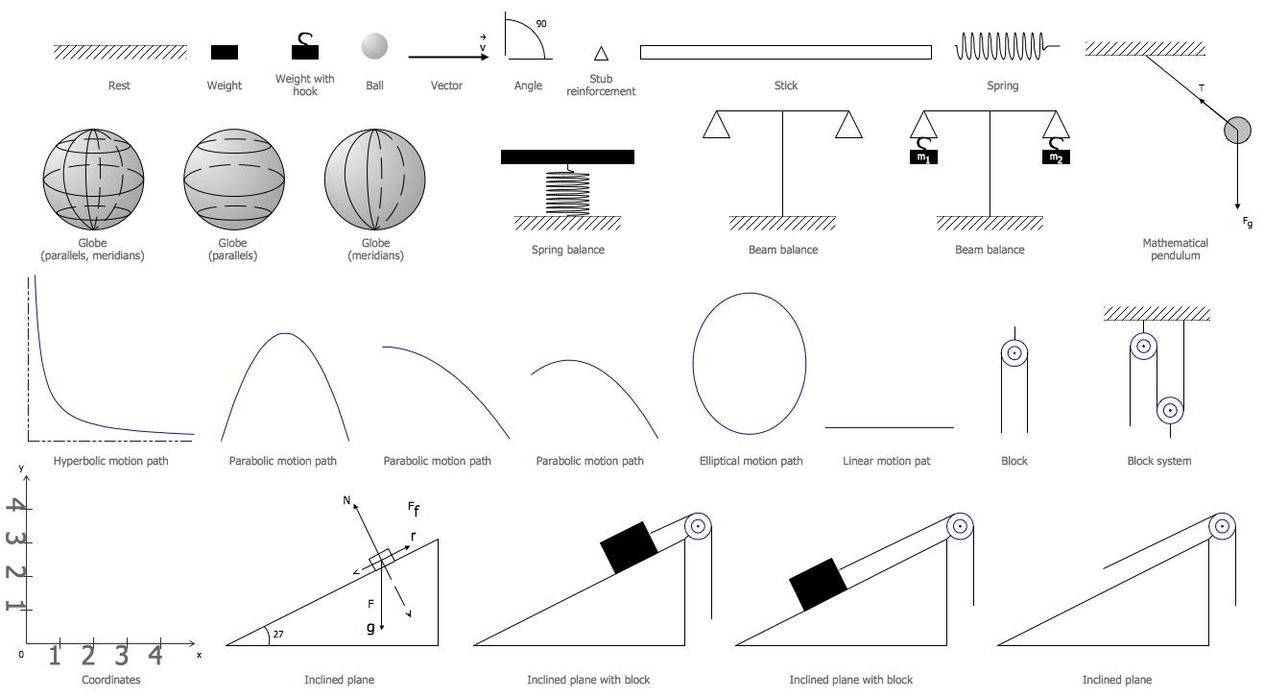
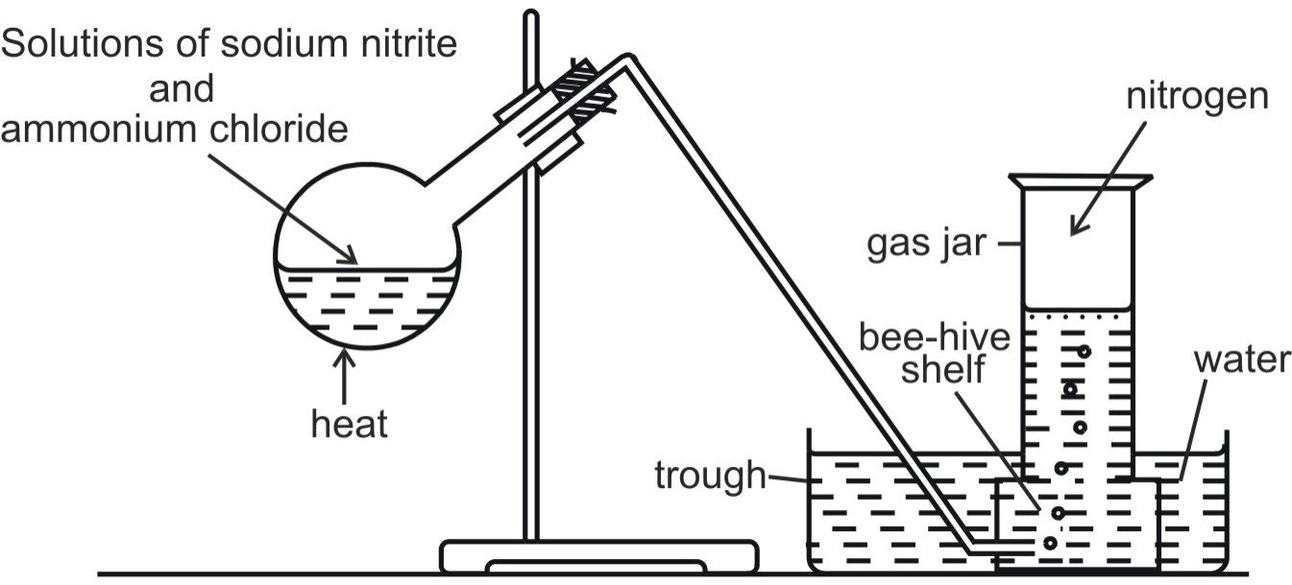
Science Diagrams Explanation: Science diagrams are visual tools used to represent scientific concepts, processes, and data. They simplify complex information, making it easier to understand and communicate scientific ideas effectively.
Charts, Graphs and Diagrams
Four Sector Circular Flow Model: The four-sector circular flow model represents the economy, including households, businesses, government, and foreign sectors. It illustrates the flow of goods, services, and money between these sectors, highlighting the interdependence and economic activities within an open economy.
Cognitive Behavioral Therapy Model: The Cognitive Behavioral Therapy (CBT) model is a psychological treatment approach that focuses on changing negative thought patterns and behaviors. CBT helps individuals identify and challenge distorted thinking, develop healthier coping mechanisms, and improve emotional regulation.
Womens Size Conversion Chart: A womens size conversion chart helps shoppers translate sizes across different countries and regions, such as US, UK, EU, AUS, and Japan. For example, a US size 6 may correspond to a UK size 10 or EU size 38. The chart may also include bust, waist, and hip measurements for a more accurate fit. These charts are particularly helpful for online shoppers or international travelers who need size compatibility across global brands.
Women Clothing sizes: Womens clothing sizes vary significantly across different regions and brands. Typically, sizes are categorized into small (S), medium (M), large (L), and extra-large (XL), with numerical sizes ranging from 0 to 20 or higher. Accurate measurements of bust, waist, and hips are essential to determine the correct size, as these dimensions can differ between manufacturers.
Class 6 Science is a subject that covers the basic concepts of natural and physical phenomena, such as food, plants, animals, materials, motion, light, electricity, magnets, air, water, and garbage. It is based on the NCERT curriculum and follows the CBSE guidelines for Class 6 students. The subject aims to develop scientific skills and knowledge among the students and prepare them for further studies in science.
The subject consists of 16 chapters, each with its own objectives, activities, exercises, and key points. The chapters are as follows:
– Chapter 1: Food – Where Does It Come From?
– Chapter 2: Components of Food
– Chapter 3: Fibre to Fabric
– Chapter 4: Sorting Materials into Groups
– Chapter 5: Separation of Substances
– Chapter 6: Changes Around Us
– Chapter 7: Getting to Know Plants
– Chapter 8: Body Movements
– Chapter 9: The Living Organisms and Their Surroundings
– Chapter 10: Motion and Measurement of Distances
– Chapter 11: Light, Shadows and Reflection
– Chapter 12: Electricity and Circuits
– Chapter 13: Fun with Magnets
– Chapter 14: Water
– Chapter 15: Air Around Us
– Chapter 16: Garbage In, Garbage Out
ome of the main topics that are covered in Class 6 Science are:
– The sources and components of food and their importance for health and nutrition
– The types and properties of different materials and how they can be sorted, separated, and changed
– The structure and functions of different plants and their parts
– The types and features of different animals and their body movements
– The characteristics and habitats of living organisms and their adaptation to the environment
– The concepts and units of motion and measurement and the tools and methods used for measuring distances
– The nature and behavior of light and how it forms shadows and reflections
– The basic principles and applications of electricity and circuits
– The properties and uses of magnets and how they interact with each other and other materials
– The sources and properties of water and its importance for life and the environment
– The composition and quality of air and its effects on living and non-living things
– The types and sources of garbage and how it can be managed and reduced
To learn more about Class 6 Science, you can refer to the following resources:
– [NCERT Solutions for Class 6 Science](^1^) – This provides detailed solutions and explanations for each chapter and exercise in the NCERT textbook.
– [NCERT Books for Class 6 Science](^2^) – This provides the complete PDF of the NCERT textbook in English and Hindi, which
Earth is composed of four distinct layers: the inner core, the outer core, the mantle, and the crust . The inner core is a solid metal ball made mostly of iron and nickel, with a radius of 1,220 kilometers (758 miles) . It spins a bit faster than the rest of the planet and is intensely hot, with temperatures sizzling at 5,400° Celsius (9,800° Fahrenheit) . The outer core is also made from iron and nickel, but in liquid form. It is heated largely by the radioactive decay of the elements uranium and thorium, and churns in huge, turbulent currents that generate electrical currents, which in turn generate Earth’s magnetic field . The mantle is Earth’s thickest layer, at close to 3,000 kilometers (1,865 miles) thick, and is semi-solid . The crust is the outermost layer of Earth, and is the thinnest layer, ranging from 5 to 70 kilometers (3 to 44 miles) thick .
The Earth’s layers are formed, heated, and moved by various forces . The inner core is believed to be formed by the solidification of the outer core, while the outer core is believed to be formed by the cooling of the Earth’s original molten state . The mantle is heated by the residual heat from the Earth’s formation, as well as by the decay of radioactive isotopes . The crust is formed by the cooling of the Earth’s original molten state, and is broken into tectonic plates that move around the surface of the Earth .
The Earth’s layers have different physical and chemical properties, which affect how they behave and interact with each other . For example, the mantle is denser than the crust, and so the crust “floats” on top of the mantle . The different layers also have different temperatures and pressures, which affect the behavior of the materials within them .
In summary, the Earth is composed of four distinct layers: the inner core, the outer core, the mantle,