How to Stop Time from Flying

Featured

7 Practical Ways to Slow Down Your Days

Do you ever feel like weeks slip by in a blur? You blink, and it’s already the weekend—or even the end of the year. That fast-forward feeling is surprisingly common, but the good news is there are simple strategies to slow it down. If you’re wondering how to stop time from flying, you’re in the right place. Here are 7 proven tips to help make your days feel longer, more meaningful, and fully lived.

1. Add Novelty to Your Routine

Our brains encode new experiences more vividly than repetitive ones. If every day feels the same, time compresses in memory. Try something new—a hobby, a new recipe, or even a different walking route. Variety stretches your perception of time and creates a richer mental timeline.

2. Practice Mindfulness and Presence

Being fully present in the moment slows time down. Whether you’re drinking coffee or folding laundry, focus completely on the experience. Mindfulness meditation and breathing techniques can also anchor you in the now and help prevent time from slipping away unnoticed.

3. Keep a Daily Journal

Writing down what you did each day helps solidify the memory of it. Even a short journal entry acts as a time marker, giving your brain more to recall later. It’s a powerful way to make time feel fuller and less like it’s vanishing.

4. Break Up Your Week with Micro-Adventures

Don’t wait for vacations to shake things up. Plan small adventures throughout your week. Go to a new café, try a local museum, or explore a new neighborhood. The more novel experiences you insert into your regular schedule, the less your life blurs together.

5. Engage in Deep Work or Flow Activities

Time flies in the moment when you’re focused—but paradoxically, those same moments feel long and rewarding in memory. Get lost in activities you love or find meaningful: writing, painting, coding, gardening. That deep focus stretches time in the long run.

6. Take Photos and Reflect

Take intentional photos of people, places, and things—not everything, just the highlights. Reviewing your photos at the end of the week or month helps reinforce those moments, building a sense of time well spent and remembered.

7. Spend Time Offline with People

Conversations, shared meals, and real-life experiences stick with us more than scrolling social media. Being present with others doesn’t just build stronger relationships—it also helps you mark time in more meaningful ways. Trust me on this 🙂

Make Time Count

If you’re constantly wondering how to stop time from flying, remember it’s not about slowing the clock—it’s about filling your life with presence, meaning, and memorable moments. By making small, intentional changes to how you live each day, you can create a sense of time that feels expansive instead of elusive.

Try just one of these tips this week and notice how your days begin to feel different.

how to stop time.jpg

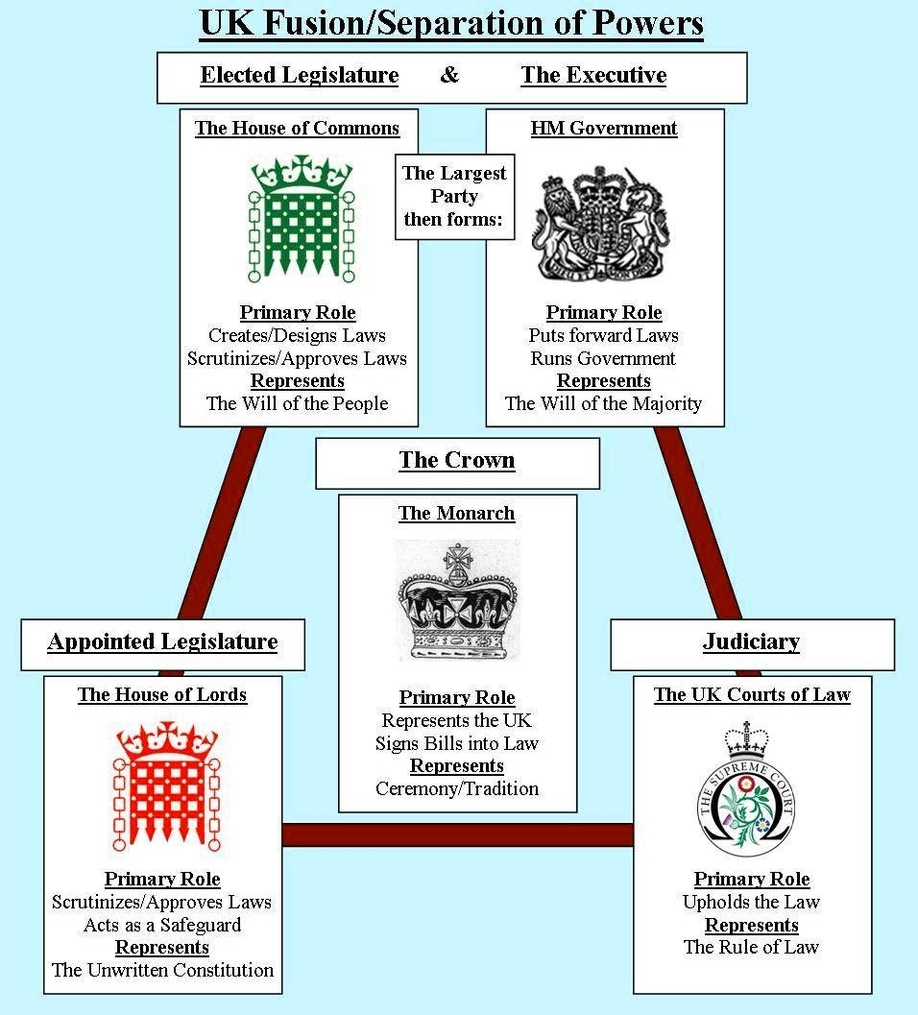
Positive Psychology Theory Diagram

Positive Psychology Theory Diagram: A positive psychology theory diagram illustrates concepts such as well-being, happiness, and strengths. It may include elements like the PERMA model (Positive Emotion, Engagement, Relationships, Meaning, Achievement) to explain how these factors contribute to a fulfilling life.

Positive Psychology Theory Diagram

Chart Drawing Software

Drawing software is a computer program that allows users to create digital art. It is used by artists, designers, and illustrators to create a wide range of digital art, including illustrations, comics, animations, and more. There are many different types of drawing software available, ranging from simple, free programs to complex, professional-grade software.

According to a recent article on TechRadar, some of the best digital art and drawing software in 2024 include:

1. Adobe Photoshop: A professional-grade software that is widely used by artists and designers around the world. It offers a wide range of tools and features for creating digital art, including brushes, layers, and filters.
2. Corel Painter: A powerful digital painting software that is designed for professional artists. It offers a wide range of brushes and tools for creating realistic digital paintings.
3. Clip Studio Paint: A popular software that is used by many manga and comic artists. It offers a wide range of tools and features for creating comics, illustrations, and animations.
4. Krita: A free and open-source painting software that is designed for digital artists. It offers a wide range of brushes and tools for creating digital art, including illustrations, comics, and animations.

If you’re looking for free drawing software, TechRadar also recommends the following:

1. GIMP: A free and open-source image editing software that offers a wide range of tools and features for creating digital art.
2. Inkscape: A free and open-source vector graphics editor that is used for creating illustrations, logos, and other types of digital art.
3. Sketchpad: A free online drawing application that is suitable for all ages. It offers a wide range of tools and features for creating digital art, including brushes, layers, and filters.

Chart Drawing Software

A Chart Of The Economy Of The World

The economy of the world is a complex and dynamic system that is constantly changing. It is composed of many different factors, including the production and consumption of goods and services, the distribution of wealth, and the exchange of currencies between countries. The global economy is influenced by a wide range of factors, including political events, natural disasters, technological advancements, and economic policies.

According to the International Monetary Fund (IMF), the world’s nominal gross domestic product (GDP) was estimated to be around $96.6 trillion in 2021. The United States, China, Japan, Germany, and India are the top five economies in the world, respectively, according to Forbes India . The GDP of the United States was estimated to be around $22.7 trillion in 2023, making it the largest economy in the world . The GDP of China, the second-largest economy in the world, was estimated to be around $16.8 trillion in 2023 .

The global economy is divided into two main categories: developed economies and developing economies. Developed economies are characterized by high levels of industrialization, high per capita income, and advanced technological infrastructure. Examples of developed economies include the United States, Japan, and Germany. Developing economies, on the other hand, are characterized by low levels of industrialization, low per capita income, and less advanced technological infrastructure. Examples of developing economies include India, China, and Brazil.

The global economy is also divided into different sectors, including the primary sector, the secondary sector, and the tertiary sector. The primary sector includes activities related to natural resources, such as agriculture, forestry, and mining. The secondary sector includes activities related to manufacturing and construction. The tertiary sector includes activities related to services, such as healthcare, education, and finance.

The global economy is influenced by many different factors, including trade policies, monetary policies, and fiscal policies. Trade policies are designed to regulate the flow of goods and services between countries. Monetary policies are designed to regulate the supply of money in the economy. Fiscal policies are designed to regulate government spending and taxation.

The global economy is also influenced by many different organizations, including the World Bank, the International Monetary Fund (IMF), and the World Trade Organization (WTO). These organizations work to promote economic growth and development around the world.

In conclusion, the economy of the world is a complex and dynamic system that is influenced by many different factors. It is composed of many different sectors, including the primary sector, the secondary sector, and the tertiary sector. The global economy is divided into developed economies and developing economies, and is influenced by many different policies and organizations. Despite its complexity, the global economy plays a critical role in the lives of people around the world, and is essential for the growth and development of nations and individuals alike.

A Chart Of The Economy Of The World

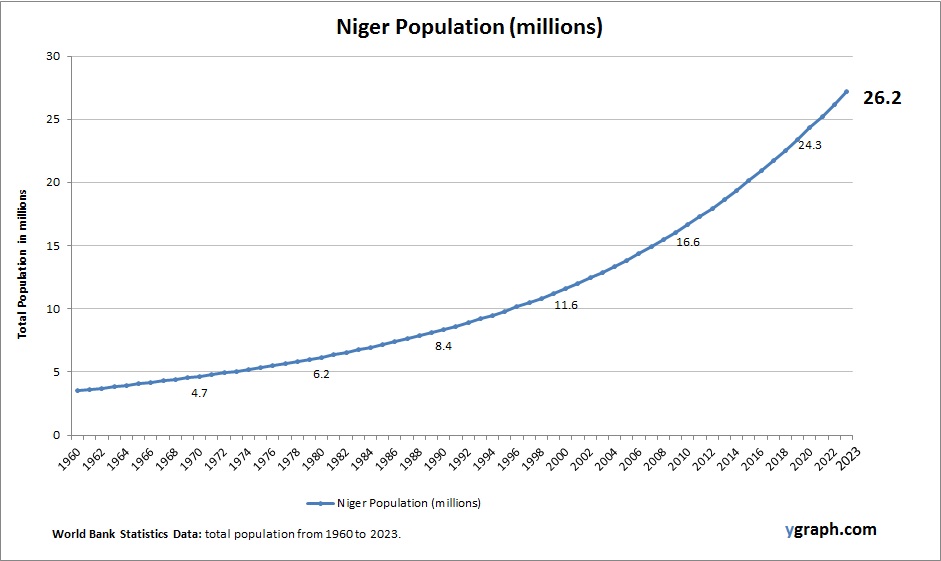
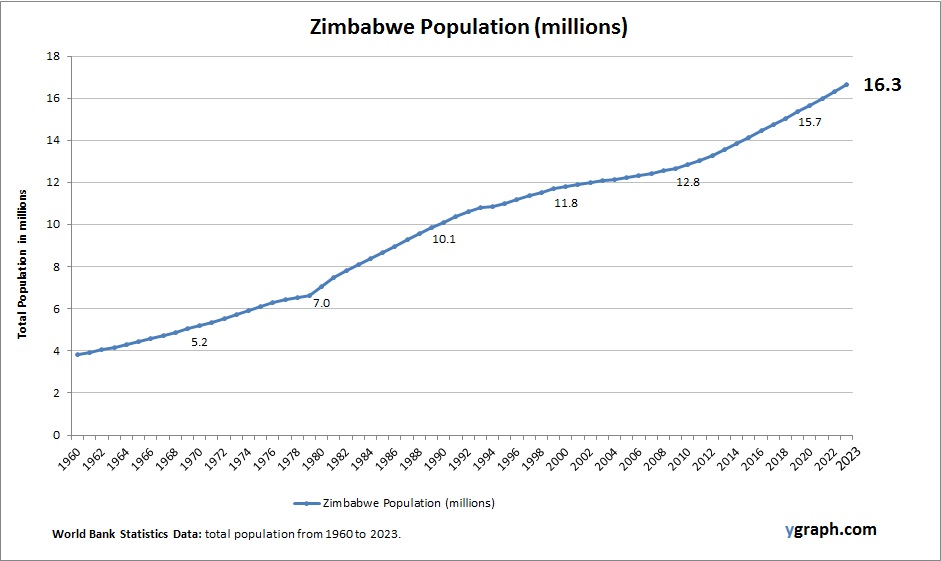
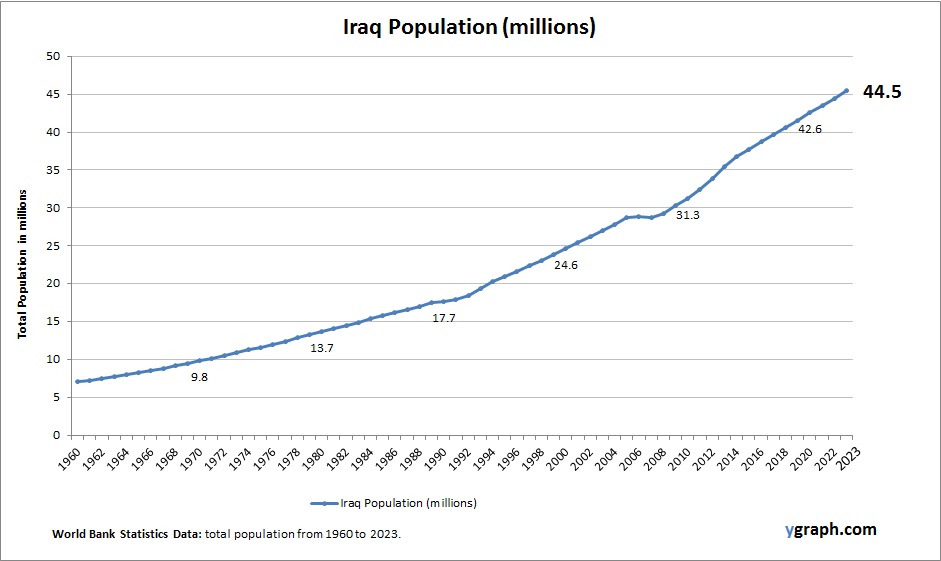
Congo Population

This diagram presents Congo Population. World Bank is the source of this population data. Based on the latest demographics info provided for Congo.

The Republic of the Congo has a young and fast-growing population due to high fertility rates. Urban centers like Brazzaville are expanding rapidly, though rural areas still face challenges in education and healthcare. Government efforts to improve infrastructure and public services are ongoing, but population pressures remain significant.

Congo Population

Simple Circular Flow Model Of The Economy

The Simple Circular Flow Model of the Economy is a way of representing how money, goods, and services flow between different agents in an economy. It helps us understand the basic functioning of a market economy and the relationship between different sectors.

The simplest version of the model consists of two sectors: households and firms. Households are the consumers who buy goods and services from firms. Firms are the producers who sell goods and services to households. The model assumes that households spend all their income on consumption and firms use all their revenue to pay for the factors of production (such as labor, capital, and land).

The model shows two types of flows: real flows and money flows. Real flows are the flows of goods and services from firms to households and the flows of factors of production from households to firms. Money flows are the flows of payments for goods and services from households to firms and the flows of income for factors of production from firms to households.

The model can be represented by a diagram with two loops. The inner loop shows the real flows and the outer loop shows the money flows. The diagram below illustrates the simple circular flow model of the economy:

“`latex
begin{tikzpicture}[scale=1.5,>=stealth]
node[draw,rectangle,minimum width=3cm,minimum height=2cm] (H) at (0,0) {Households};
node[draw,rectangle,minimum width=3cm,minimum height=2cm] (F) at (4,0) {Firms};
draw[->] (H.15) — node[above] {Consumption expenditure} (F.165);
draw[<-] (H.345) -- node[below] {Income} (F.195); draw[->] (F.105) — node[above] {Goods and services} (H.75);
draw[<-] (F.255) -- node[below] {Factors of production} (H.285); end{tikzpicture} ``` The simple circular flow model of the economy has some limitations. It does not include other sectors, such as the government, the financial sector, and the foreign sector. It also does not account for leakages and injections, such as taxes, savings, investments, imports, and exports. These factors can affect the level of economic activity and the distribution of income in an economy. To address these limitations, more complex versions of the circular flow model can be developed by adding more sectors and flows. For example, the five-sector model includes the government, the financial sector, and the foreign sector, as well as the leakages and injections that occur between them and the households and firms. The diagram below shows the five-sector model of the economy: ```latex begin{tikzpicture}[scale=1.5,>=stealth]
node[draw

Simple Circular Flow Model Of The Economy

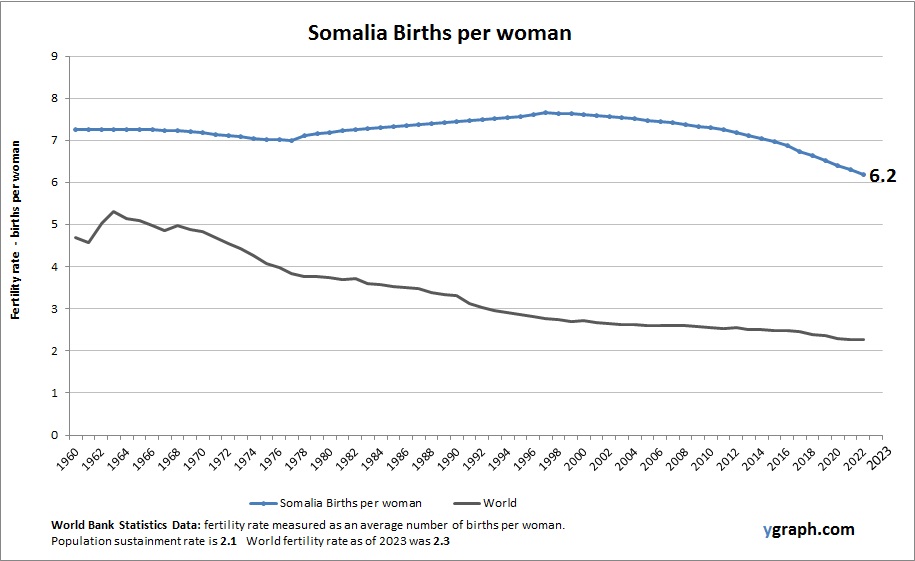
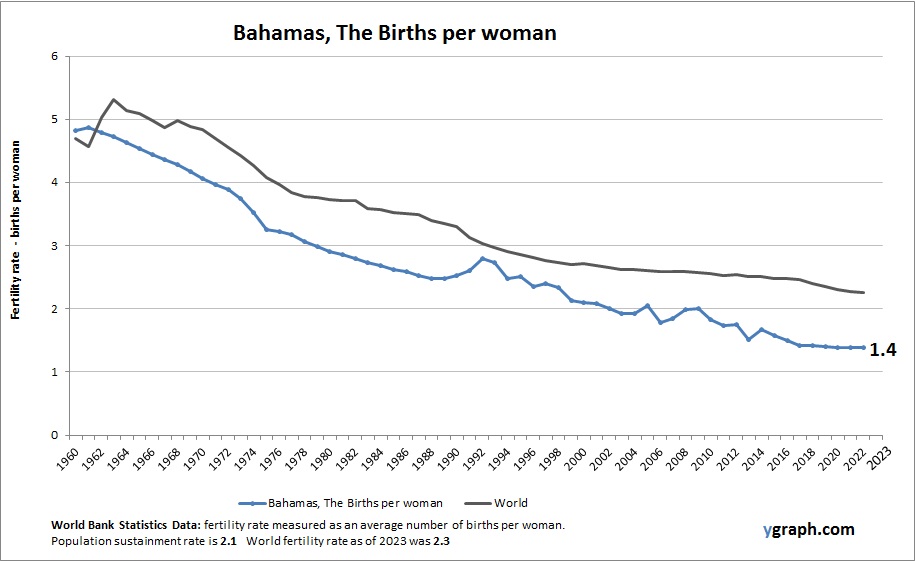
Bulgaria Births per woman

This diagram presents Bulgaria Births per woman. This is according to World Bank birth stats by country. Latest births per woman information for Bulgaria.

Bulgaria has one of the lowest fertility rates in the world, contributing to population decline and a rapidly aging society. Government incentives for families have been introduced, but emigration and demographic challenges remain significant.

Bulgaria Births per woman

Scientific Data Processing and Presentation of Results

Scientific Data Processing and Presentation of Results: Scientific data processing involves collecting, analyzing, and interpreting data to draw meaningful conclusions. Presentation of results includes using graphs, tables, and charts to visually communicate findings, ensuring clarity and accuracy in scientific reporting.

Scientific Data Processing and Presentation of Results