Circular Flow Of Income In Four Sector Economy

Circular Flow Of Income In Four Sector Economy: The circular flow of income in a four-sector economy includes households, businesses, government, and foreign sectors. It shows how income flows between these sectors through consumption, investment, government spending, and exports/imports, highlighting economic interconnections.

Circular Flow Of Income In Four Sector Economy

Life History Diagram 8

I’m sorry, but I’m not sure what you mean by “Life History 8”. Could you please provide more context or clarify your question? I’ll do my best to help you once I understand what you’re looking for. ??

Life History Diagram 8

Class 12 Macroeconomics

Class 12 Macroeconomics is a branch of economics that studies the behavior and performance of an economy as a whole. It focuses on the aggregate changes in the economy such as national income, gross domestic product, unemployment, inflation, etc.
ome of the main topics covered in Class 12 Macroeconomics are:

– Introduction to Macroeconomics and its Concepts: This chapter introduces the basic concepts and variables of macroeconomics such as consumption, investment, government expenditure, exports, imports, etc. It also explains the circular flow of income and the methods of measuring national income.
– National Income and Related Aggregates: This chapter explains the concepts of gross domestic product, net domestic product, gross national product, net national product, personal income, disposable income, etc. It also discusses the various methods of calculating national income such as the product method, the income method, and the expenditure method.
– Money and Banking: This chapter deals with the functions and forms of money, the supply and demand of money, the role of the central bank, the commercial banks, and the money market. It also explains the concepts of money multiplier, credit creation, and monetary policy.
– Aggregate Demand and Its Related Concepts: This chapter analyzes the determinants and components of aggregate demand, such as consumption function, saving function, investment function, etc. It also explains the concepts of marginal propensity to consume, marginal propensity to save, average propensity to consume, average propensity to save, etc.
– National Income Determination and Multiplier: This chapter establishes the relationship between aggregate demand and aggregate supply, and how they determine the equilibrium level of national income and output. It also introduces the concept of multiplier and its working mechanism.
– Excess Demand and Deficient Demand: This chapter examines the situations of excess demand and deficient demand in the economy, and their effects on output, employment, and price level. It also discusses the fiscal and monetary measures to correct these situations and restore the equilibrium.
– Government Budget and the Economy: This chapter explains the objectives and components of the government budget, such as revenue, expenditure, deficit, surplus, etc. It also evaluates the impact of

Class 12 Macroeconomics

World Population Growth 4

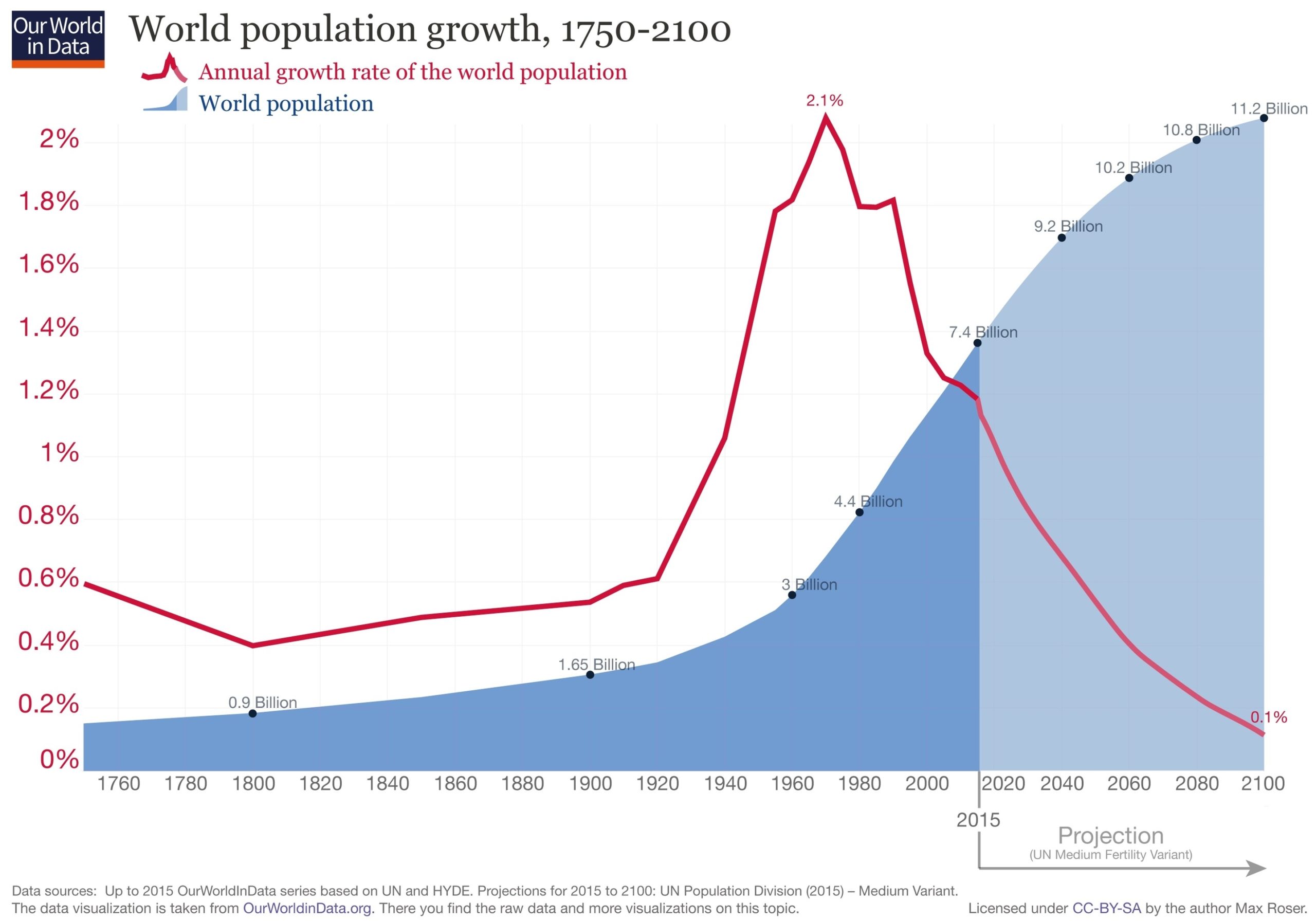
World Population Growth 4 is a hypothetical scenario that assumes a very low fertility rate and a very high mortality rate for the world population in the 21st century. According to this scenario, the world population would peak at 8.1 billion in 2024 and then decline rapidly to 2.3 billion by 2100. This would be a dramatic reversal of the historical trend of population growth, which has seen the world population increase from 1 billion in 1800 to 7.9 billion in 2021.

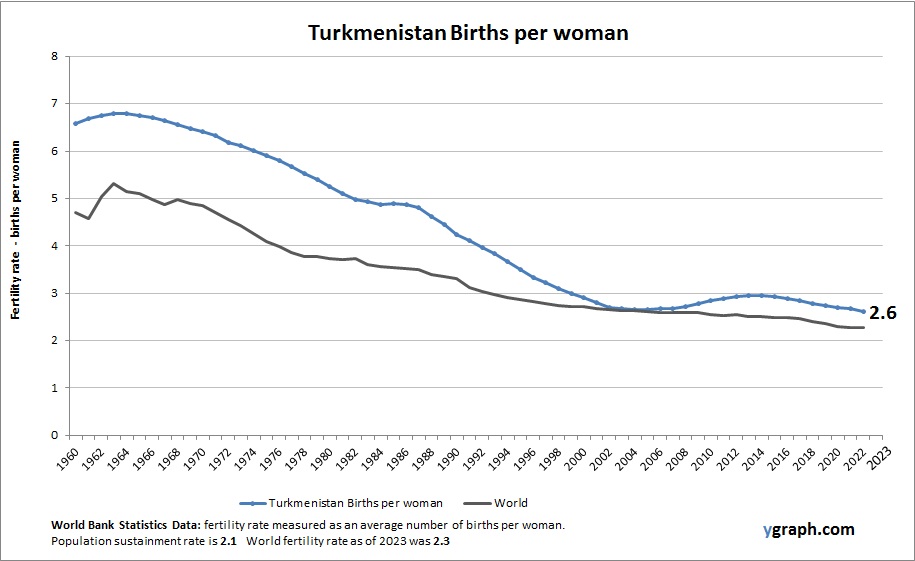
The main drivers of this scenario are the assumptions that the total fertility rate (TFR) – the average number of children per woman – will drop below the replacement level of 2.1 in all regions of the world, and that the life expectancy at birth will decrease significantly due to various factors, such as pandemics, wars, environmental degradation, and social unrest. The TFR is projected to decline from 2.5 in 2020 to 1.5 in 2050 and 1.2 in 2100, while the life expectancy is projected to decline from 72.6 in 2020 to 65.9 in 2050 and 58.4 in 2100.

The implications of this scenario are profound and complex, affecting various aspects of human society and the environment. Some possible consequences are:

– A rapid aging of the population, with the median age increasing from 30.9 in

World Population Growth 4

Political Science

Political Science: Political science is the study of political systems, behavior, and institutions. It examines the structure and function of governments, political theories, public policies, and the dynamics of political power. This field helps us understand how political decisions are made and their impact on society.

Political Science

Parts Of A Bird

Birds are fascinating creatures with unique features that distinguish them from other animals. From their beaks and wings to their specialized internal organs, each part of a bird contributes to its remarkable abilities and behaviors.

The anatomy of birds can be divided into several systems, including the nervous, respiratory, digestive, and reproductive systems, as well as the skeleton and feathers. The nervous system of birds is highly complex and advanced, affording them a wide range of behaviors and cognitive abilities. Despite their relatively small body size, birds have a comparatively large brain, which is securely protected by the skull. The avian brain is divided into distinct regions that govern various functions, with the cerebral cortex occupying a prominent role in learning, problem-solving, and decision-making processes. The anatomy of birds exhibits highly acute senses, with their vision being particularly noteworthy. Many bird species possess the ability to perceive a broad spectrum of colors, including ultraviolet hues. This visual acuity aids them in numerous activities such as foraging, navigation, and mate selection. In addition to their exceptional visual perception, birds also possess excellent auditory capabilities. They can detect sounds at considerably higher frequencies than humans, allowing them to communicate, locate prey, and navigate their environment with precision.

The respiratory system of birds is also unique, with air flowing in one direction through the lungs, rather than in and out as in mammals. This unidirectional flow of air allows for more efficient gas exchange, enabling birds to extract more oxygen from the air than mammals can. The digestive system of birds is also specialized, with a crop and gizzard that aid in the breakdown and processing of food. The reproductive system of birds is also highly evolved, with females possessing only one ovary and oviduct, and males possessing a cloaca that serves as both the exit for waste and the entrance for sperm.

The skeleton of birds is also highly specialized, with many bones fused together to form a rigid structure that is both lightweight and strong. The wings of birds are also unique, with feathers that provide lift and enable flight. Feathers come in three main types: contour feathers, flight feathers, and down feathers. Contour feathers are the most recognizable and cover the bird’s body, wings, and tail. Flight feathers include the primary and secondary feathers found on the wings. Down feathers are fluffy and soft, providing insulation and warmth.

The beak of birds is also highly specialized, with different shapes and sizes depending on the bird’s diet and feeding habits. For example, birds that feed on insects have sharp, pointed beaks, while birds that feed on seeds have thicker, more robust beaks. The legs of birds are also highly adapted to their environment, with some birds possessing long, slender legs for wading in water, while others have short, powerful legs for running on land. The eyes of birds are also highly evolved, with many species possessing eyes that are larger than their brains. This allows for exceptional visual acuity, enabling birds to spot prey from great distances.

Parts Of A Bird

Comparative Political Systems

Comparative Political Systems: Comparative political systems analyze and compare different forms of government, political institutions, and practices across countries. This field examines how various political systems operate, their effectiveness, and their impact on society.

Comparative Political Systems