3 Component Systems Of Movie Industry

The movie industry is a complex and dynamic business that involves the creation, distribution, and exhibition of films. Each of these components has its own challenges, opportunities, and strategies to succeed in the competitive and evolving market. Here is a brief overview of the three component systems of the movie industry:

Production: This is the process of making the content of the film, from developing the script and securing the financing to hiring the cast and crew and shooting the scenes. Production can take place in studios or on location, depending on the budget and the artistic vision of the filmmakers. Production also involves editing, sound mixing, and visual effects, which can enhance the quality and appeal of the film. Production companies can be independent, major, or corporate, depending on their size, ownership, and output. Independent production companies are usually small and focus on niche markets or artistic films. Major production companies are large and have more resources and influence, but also face more competition and risk. Corporate production companies are subsidiaries of media conglomerates that own other businesses, such as television networks, publishing houses, or theme parks.

Distribution: This is the process of getting the film to the public, either through theatrical release, home video, television, or streaming platforms. Distribution involves negotiating with exhibitors, such as theater chains or streaming services, to secure the best deals and exposure for the film. Distribution also involves marketing and promotion, which can generate buzz and interest among the potential audience. Distribution can be done by the same company that produced the film, or by a separate company that specializes in distribution. Distribution companies can be domestic or foreign, depending on the markets they target and the rights they acquire. Domestic distribution companies focus on the local market, such as the United States or Canada, while foreign distribution companies deal with the international market, which can be more lucrative but also more complex and diverse.

Exhibition: This is the process of showing the film to the public, either in theaters, on television, or on streaming platforms. Exhibition generates revenue for the film, either through ticket sales, advertising, or subscription fees. Exhibition also provides feedback and recognition for the film, either through word-of-mouth, reviews, or awards. Exhibition can be influenced by many factors, such as the timing, the location, the genre, the rating, and the competition of the film. Exhibition can also be affected by the changing preferences and habits of the audience, who may prefer to watch films at home or on their devices,

3 Component Systems Of Movie Industry

Headlands And Bays

Headlands and bays are geological features that are commonly found along coastlines. A headland is a piece of land that extends out into the sea, while a bay is an indentation in the coastline where the land curves inward. Headlands and bays are formed by the erosion of rock by the sea. The process of erosion is caused by the action of waves, which can be very powerful and can wear away rock over time.

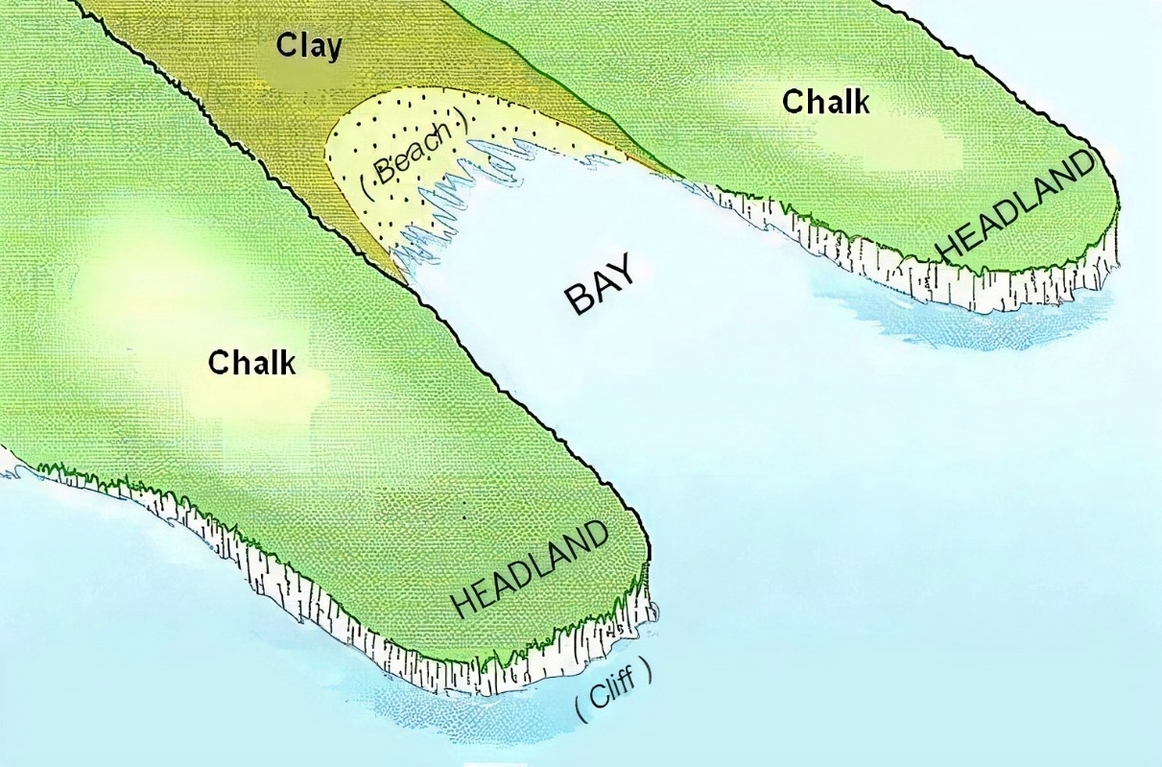
Headlands are formed from hard rock that is more resistant to erosion, such as limestone, chalk, and granite. They form along discordant coastlines where bands of soft and hard rock outcrop at a right angle to the coastline. Due to the different nature of rock, erosion occurs at different rates. Less resistant rock, such as boulder clay, erodes more rapidly than more resistant rock, such as chalk. The bands of soft rock, such as sand and clay, erode more quickly than those of more resistant rock, such as chalk. This leaves a section of land jutting out into the sea called a headland.

Bays are formed by the erosion of soft rock around the headland. Sandy beaches are often found in the sheltered bays where waves lose energy, and their capacity to transport material decreases resulting in material being deposited. The areas where the soft rock has eroded away, next to the headland, are called bays.

The geology of the coastline plays a significant role in the formation of headlands and bays. Where the geology alternates between strata (bands) of soft and hard rock perpendicular to the coast, headlands and bays are formed. The sea erodes the softer rock faster than the harder rock, forming a bay. The harder rock that is left protruding into the sea is the headland.

Concordant coastlines tend to have fewer bays and headlands. Along the coastline of Dorset, there are concordant and discordant coastlines. The concordant coastline runs from west to east along the south coast. The discordant coastline runs from Studland Bay to Durlston Head as the geology changes from clay and sands, to chalk, to clay and sands again to limestone.

In summary, headlands and bays are geological features that are formed by the erosion of rock by the sea. Headlands are formed from hard rock that is more resistant to erosion, while bays are formed by the erosion of soft rock around the headland. The geology of the coastline plays a significant role in the formation of headlands and bays. Concordant coastlines tend to have fewer bays and headlands. The alternating bands of soft and hard rock perpendicular to the coast are what create the conditions for the formation of headlands and bays.

Headlands And Bays

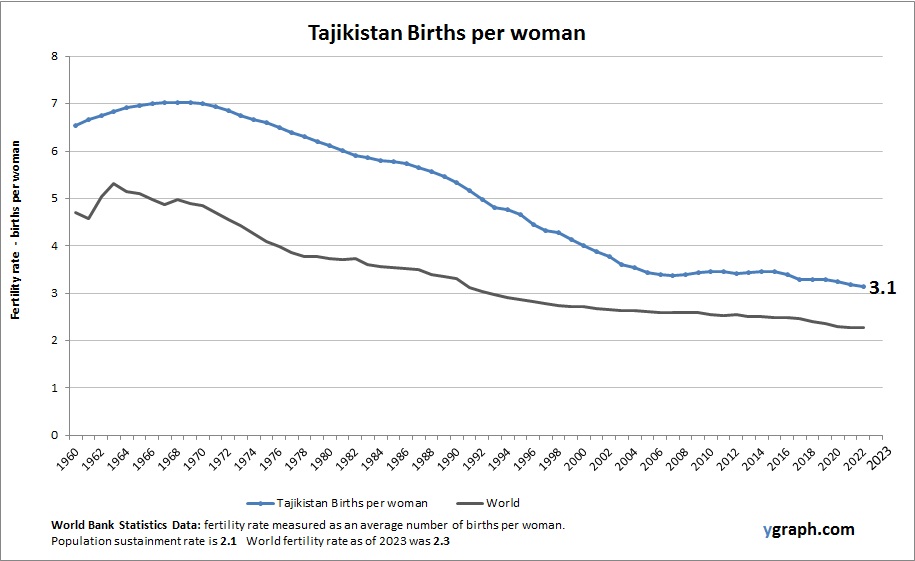
Tajikistan Births per woman

This diagram presents Tajikistan Births per woman. The fertility rate statistics are compiled by World Bank. Based on the latest available information for Tajikistan.

Tajikistan has a relatively high fertility rate, though it has begun to decline slowly. Traditional family values remain strong, and many families have multiple children. Rural areas show higher birth rates than urban centers, where education and access to reproductive health services are more prevalent.

Tajikistan Births per woman

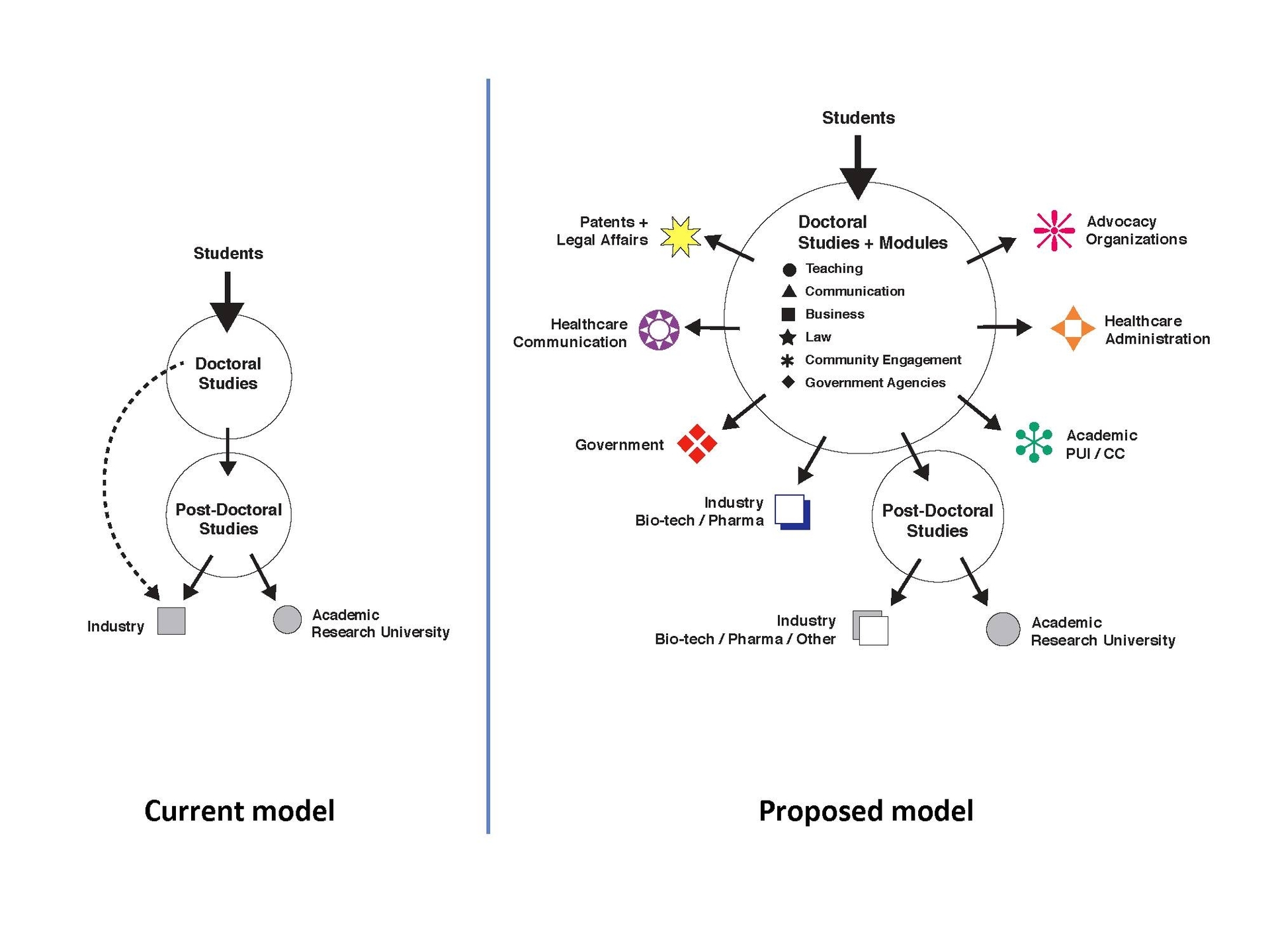
Post doctoral studies diagram

Post doctoral studies diagram: Postdoctoral studies diagrams outline the stages and requirements of postdoctoral research. They typically include steps like securing funding, conducting research, publishing findings, and advancing academic or professional careers.

Post doctoral studies diagram

Fragile and conflict affected situations Births per woman

Chart above demonstrates Fragile and conflict affected situations Births per woman. The fertility rate statistics are compiled by World Bank. Based on the latest available information for Fragile and conflict affected situations.

Birth rates in fragile and conflict-affected countries are generally high, driven by limited access to contraception, early marriage, and disrupted healthcare systems. In these environments, family planning is often deprioritized in favor of immediate survival and stability.

Fragile and conflict affected situations Births per woman

Argentina Population

The above graph shows Argentina Population. The country statistics are compiled by World Bank. Based on the latest available information for Argentina.

Argentina’s population is steadily growing, driven by a relatively balanced fertility rate and improved life expectancy. Urbanization is high, with the majority of people living in cities like Buenos Aires. While growth has slowed slightly in recent years, the country maintains a youthful demographic compared to many developed nations, though economic challenges and emigration have started to influence long-term trends.

Argentina Population

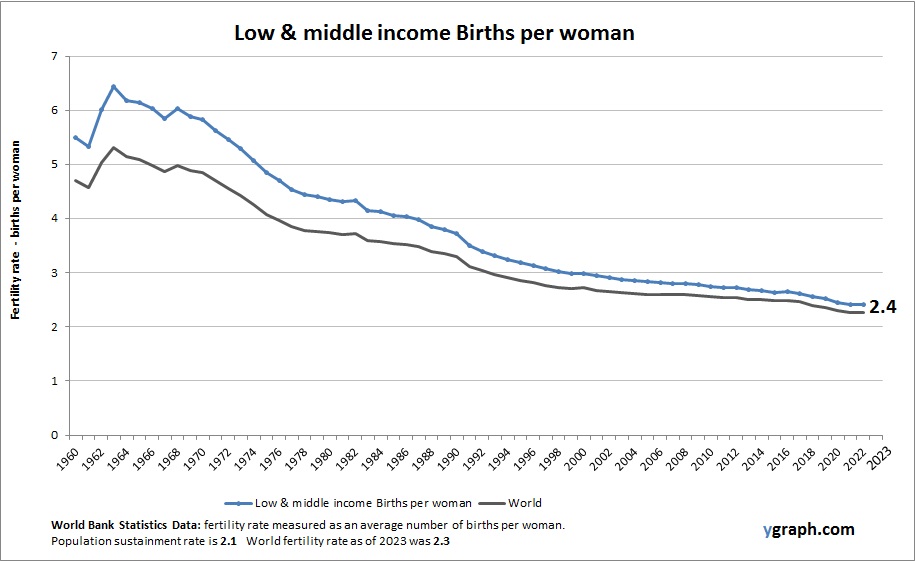
Low & middle income Births per woman

Chart above demonstrates Low & middle income Births per woman. World Bank is the source of this birth data. Based on the latest demographics info provided for Low & middle income.

Low and middle income countries generally have higher fertility rates than high income countries, although rates are declining as economic development and education improve. Population growth remains strong, especially in rural areas, but urbanization and increased access to reproductive health services are driving demographic transitions toward smaller family sizes.

Low & middle income Births per woman

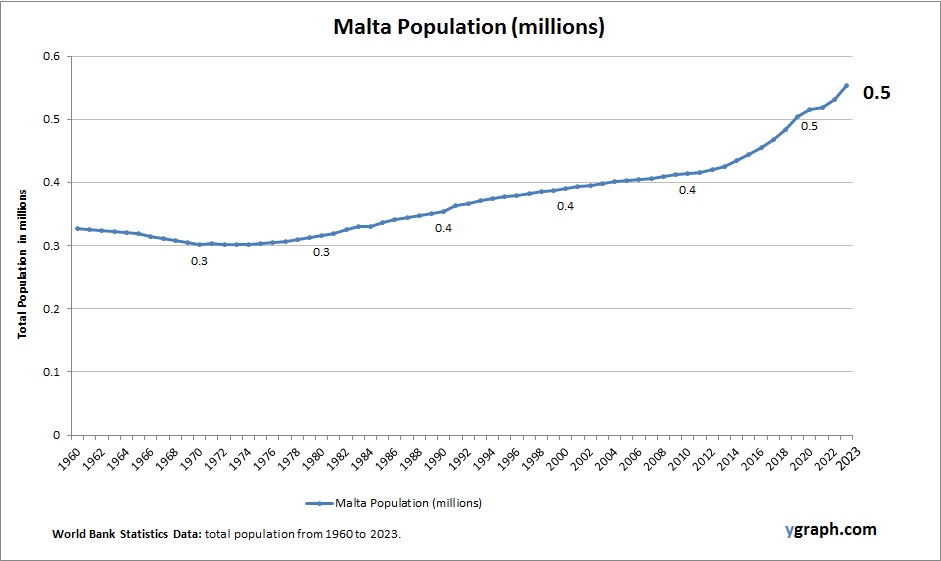
Malta Population

Chart above demonstrates Malta Population. The country statistics are compiled by World Bank. Latest population information for Malta.

Malta has a small, stable population with slow growth due to low fertility rates. Urbanization is near complete, with most residents living in densely populated towns and cities. The country’s strategic location and economy focused on tourism and services influence demographic patterns.

Malta Population

Cell Biology Notes

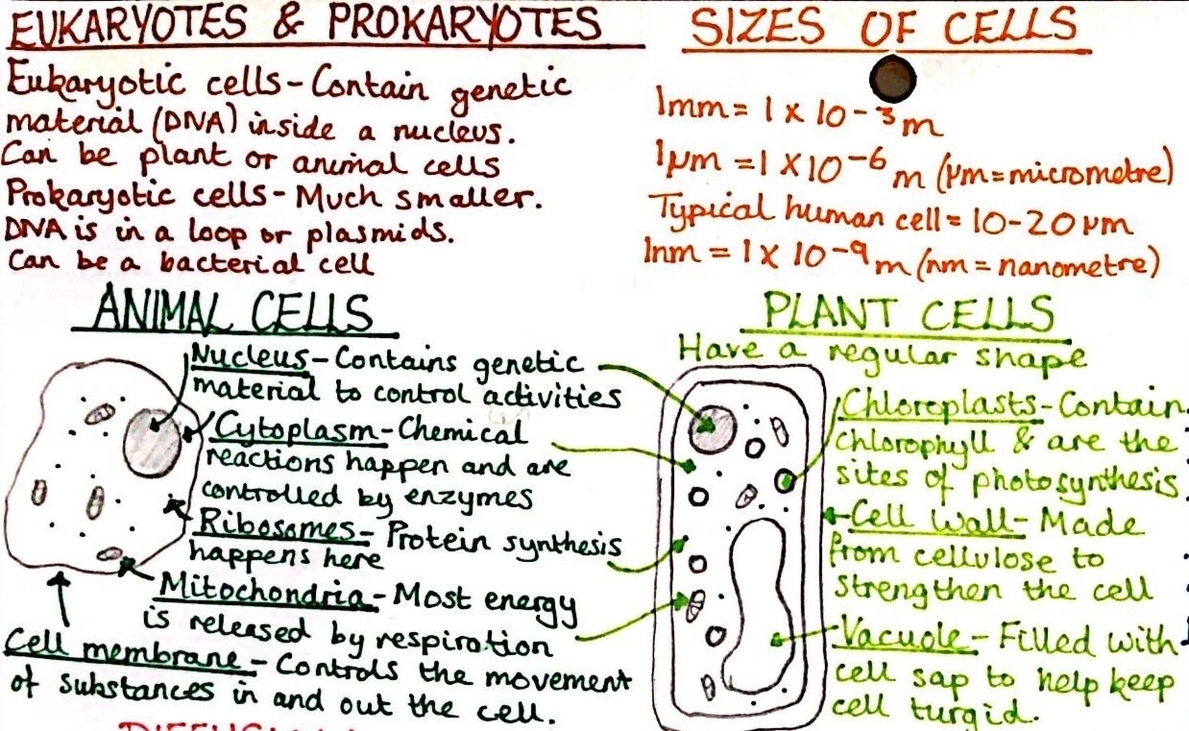
Cell Biology Notes: Cells are the fundamental units of life, responsible for all life’s processes. They contain a fluid called cytoplasm, enclosed by a membrane, and various organelles like the nucleus, mitochondria, and ribosomes. Cells can be unicellular or multicellular, performing specialized functions in an organism.

Cell Biology Notes

Lithuania Births per woman

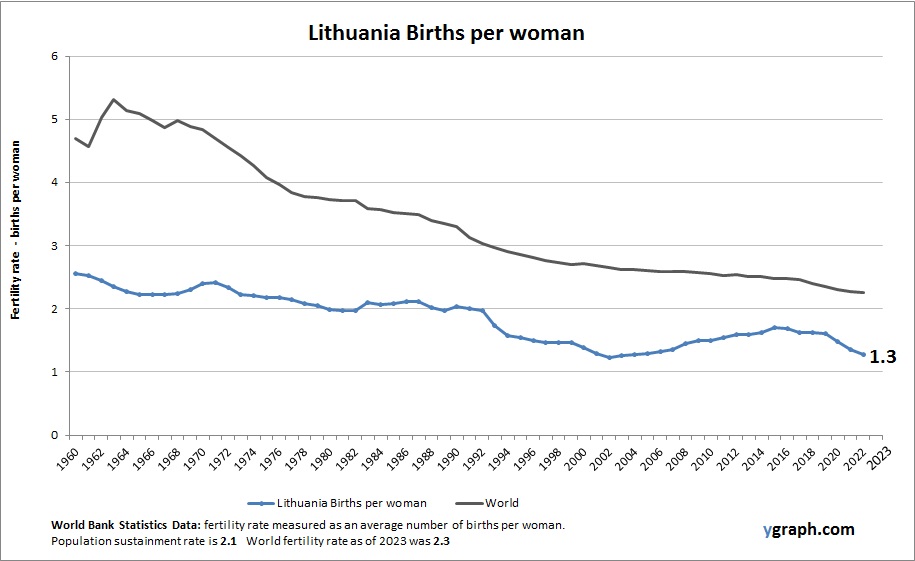
The above graph shows Lithuania Births per woman. The fertility rate statistics are compiled by World Bank. Based on the latest demographics info provided for Lithuania.

Lithuania has one of the lowest fertility rates in Europe, well below replacement level. This decline is driven by economic factors, urbanization, and emigration of young adults. The aging population poses challenges for social services and economic growth, prompting government efforts to support families and reverse demographic decline.

Lithuania Births per woman