Component Of Precision Farming

Precision farming, also known as precision agriculture (PA), is a modern approach to agricultural management that uses advanced technologies and primary components of precision farming to optimize agricultural production and minimize waste. According to a report by Grand View Research, the global precision farming market size was valued at USD 5.44 billion in 2020 and is expected to grow at a compound annual growth rate (CAGR) of 12.7% from 2021 to 2028.

The major components of precision farming include information, technology, and management, which are integrated to optimize production.

Information: Information is a key component of precision farming. This component includes gathering data about soil, weather, crops, and other factors that affect agricultural production. This information is collected through various sources such as sensors, drones, satellites, and ground-based equipment. Once the data is collected, it is analyzed using advanced software and algorithms to generate actionable insights. These insights help farmers to make informed decisions about planting, fertilizing, irrigating, and harvesting crops. For example, soil sensors can be used to measure soil moisture, temperature, and nutrient levels, which can help farmers to determine the optimal time to plant and fertilize crops. Similarly, weather data can be used to predict the likelihood of pests and diseases, which can help farmers to take preventive measures before the crops are affected.

Technology: Technology is another major component. This component includes a wide range of technologies such as GPS, drones, robotics, and advanced machinery. These technologies are used to automate various agricultural processes, reduce labor costs, and improve efficiency. For example, GPS technology can be used to guide tractors and other farm equipment, which can reduce overlap in operations and minimize fuel consumption. Similarly, drones can be used to monitor crop health and detect pests and diseases, which can help farmers to take timely action to prevent crop damage.

Management: Management is the third major component of precision farming. This component includes the use of advanced software and tools to manage agricultural operations, optimize resource use, and minimize waste. This component also includes the adoption of sustainable agricultural practices to protect the environment and promote long-term sustainability. For example,

Component Of Precision Farming

Circular Flow Of Income 4

The circular flow of income is a model that shows how money moves in an economy. It involves four sectors: households, firms, government, and foreign. Here is a brief summary of the circular flow of income in a four sector economy:

– Households supply factors of production (such as labor, land, capital, and entrepreneurship) to firms and receive income (such as wages, rent, interest, and profit) in return. Households use their income to buy goods and services from firms, pay taxes to the government, and save or lend some money to the financial sector. Households also receive transfer payments (such as pensions, unemployment benefits, and subsidies) from the government and remittances from abroad.
– Firms use the factors of production from households to produce goods and services. Firms pay income to households, taxes to the government, and dividends or interest to the financial sector. Firms also receive subsidies from the government and borrow money from the financial sector. Firms sell their goods and services to households, the government, and the foreign sector.
– The government collects taxes from households and firms and spends them on public goods and services (such as defense, education, and health care). The government also makes transfer payments to households and subsidies to firms. The government may run a budget surplus (if its revenue exceeds its expenditure) or a budget deficit (if

Circular Flow Of Income 4

Arable Land And Crop Production

Arable land and crop production are two important aspects of agriculture, the practice of cultivating plants and animals for food, fiber, fuel, and other purposes. Arable land is any land that can be plowed and used to grow crops, while crop production is the process and outcome of cultivating crops on arable land. In this essay, I will provide an overview of the global distribution, trends, and challenges of arable land and crop production, as well as some possible solutions to improve their sustainability and efficiency.

According to the Food and Agriculture Organization of the United Nations (FAO), in 2019, the world’s arable land amounted to 1.407 billion hectares, out of a total of 4.924 billion hectares of land used for agriculture. Arable land accounts for about 10% of the world’s total land area and 28% of the world’s habitable land area. The distribution of arable land varies widely across regions and countries, depending on factors such as climate, soil quality, topography, population density, and land use policies. The map below shows the share of arable land in each country’s total land area in 2016.

[Map of arable land as a share of total land area](^1^)

As the map shows, some countries have a high proportion of arable land, such as Bangladesh (59%), Ukraine (56%), Denmark (58%), and India (53%), while others

Arable Land And Crop Production

Government Structure

Government Structure: Government structure refers to the organization of a government, including its branches (executive, legislative, and judicial) and levels (national, regional, and local). Each branch and level has specific roles and responsibilities in governance.

Government Structure

Left Wing Ideological Differences

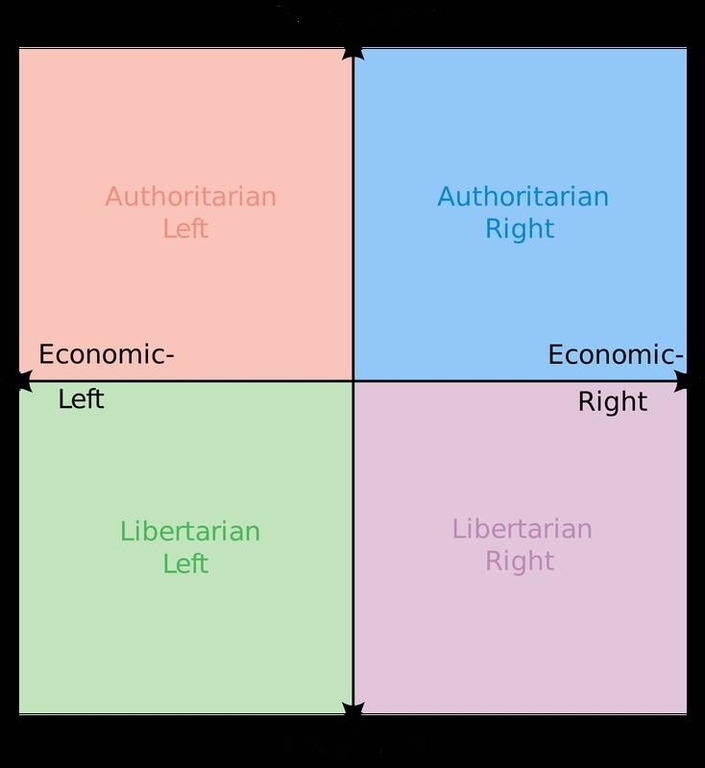
Left Wing Ideological Differences: Left-wing ideologies emphasize social equality, government intervention in the economy, and the protection of workers’ rights. They advocate for progressive taxation, social welfare programs, and policies aimed at reducing income inequality.

Left Wing Ideological Differences

AS and A level Biology Book Cover

AS and A Level Biology Book Cover: The cover of an AS and A Level Biology book typically features images related to biological concepts, such as cells, DNA, plants, and animals. It aims to visually represent the subject matter and attract students’ interest in the study of biology.

AS and A level Biology Book Cover

Womens Altitude Jacket Size Chart

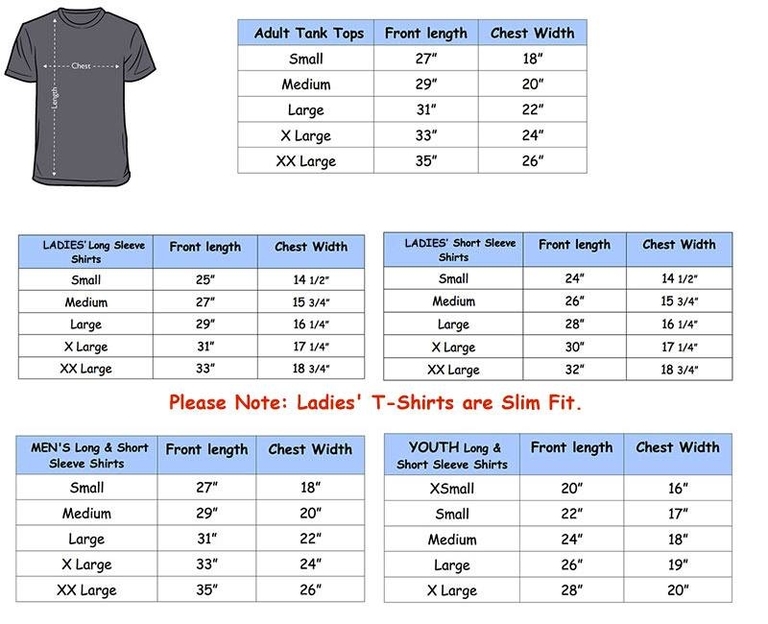
Womens Altitude Jacket Size Chart: A specific size chart for a women’s altitude jacket includes not only bust, waist, and hip measurements but also sleeve length, torso length, and jacket length to ensure the outerwear fits comfortably in cold and active environments. Since altitude jackets are used in mountaineering, skiing, or extreme weather, sizing precision ensures both mobility and insulation. Some charts also include fit categories like regular, slim, and relaxed.

Women's Altitude Jacket Size Chart

Economic Chart

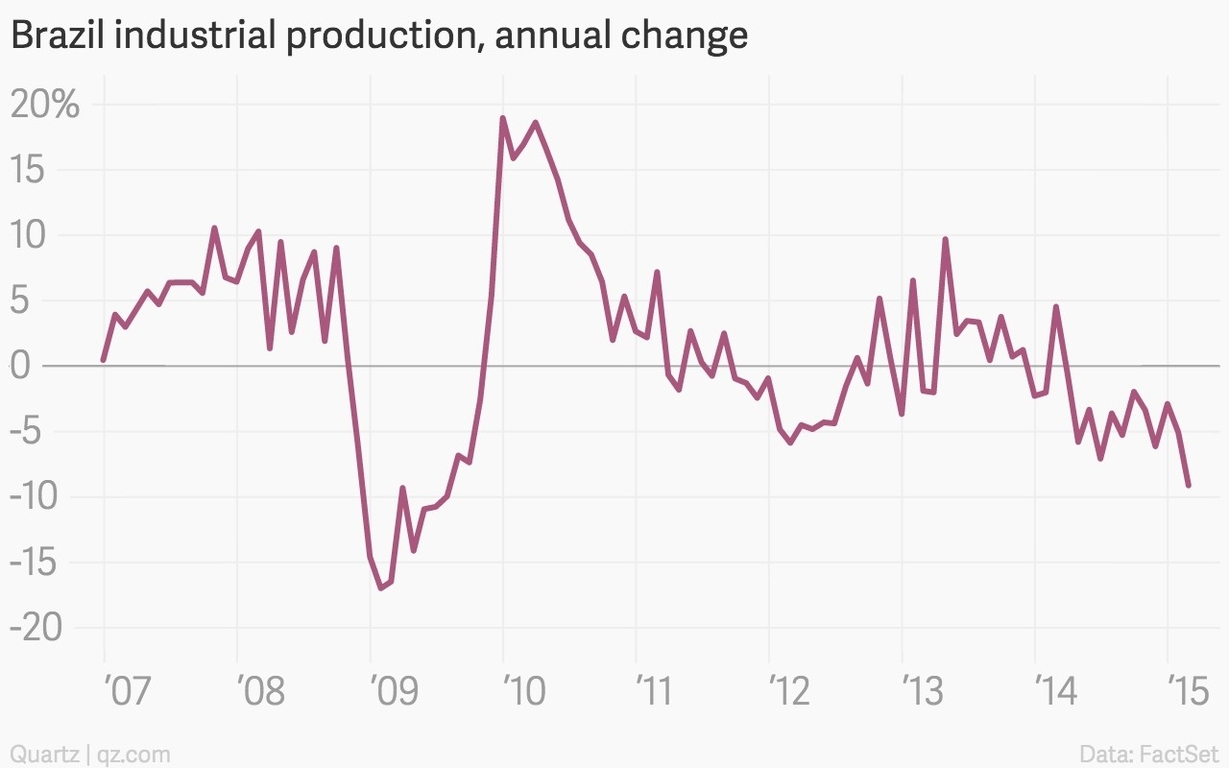
Economics is a social science that studies the production, distribution, and consumption of goods and services. It is concerned with how individuals, businesses, governments, and other organizations allocate resources to satisfy their needs and wants. The field of economics is divided into two main branches: microeconomics and macroeconomics.

Microeconomics is the study of how individuals and firms make decisions about the allocation of resources. It examines how prices are determined in markets, how consumers make choices about what to buy, and how firms decide what to produce and how much to charge for their products. Microeconomics also studies how government policies, such as taxes and regulations, affect the behavior of individuals and firms.

Macroeconomics, on the other hand, is the study of the economy as a whole. It examines the performance of the economy in terms of growth, inflation, and unemployment. Macroeconomists study the factors that determine the level of economic activity, such as government spending, interest rates, and international trade. They also analyze the effects of economic policies, such as monetary and fiscal policy, on the overall economy.

Economics is a broad field that encompasses many different topics. Some of the key concepts in economics include supply and demand, opportunity cost, comparative advantage, and market failure. Supply and demand is the fundamental principle that underlies all economic activity. It states that the price of a good or service is determined by the interaction of buyers and sellers in a market. Opportunity cost is the value of the next best alternative that must be given up in order to pursue a certain action. Comparative advantage is the ability of one country or individual to produce a good or service at a lower opportunity cost than another country or individual. Market failure occurs when the market fails to allocate resources efficiently, leading to a suboptimal outcome.

Economics has many real-world applications. It is used to analyze and understand a wide range of issues, such as the causes of inflation and unemployment, the effects of government policies on the economy, and the impact of international trade on domestic industries. Economists work in a variety of settings, including academia, government, and the private sector. They use a variety of tools and techniques, such as statistical analysis, mathematical modeling, and game theory, to study economic phenomena.

In conclusion

Economic Chart

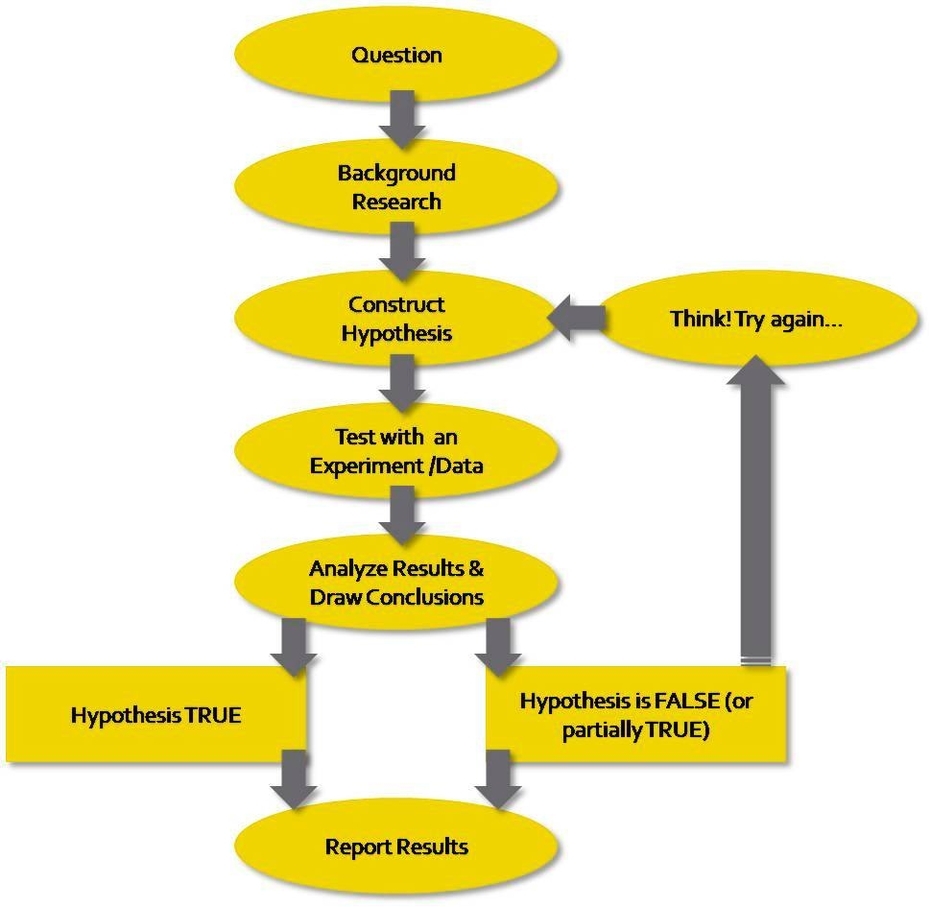
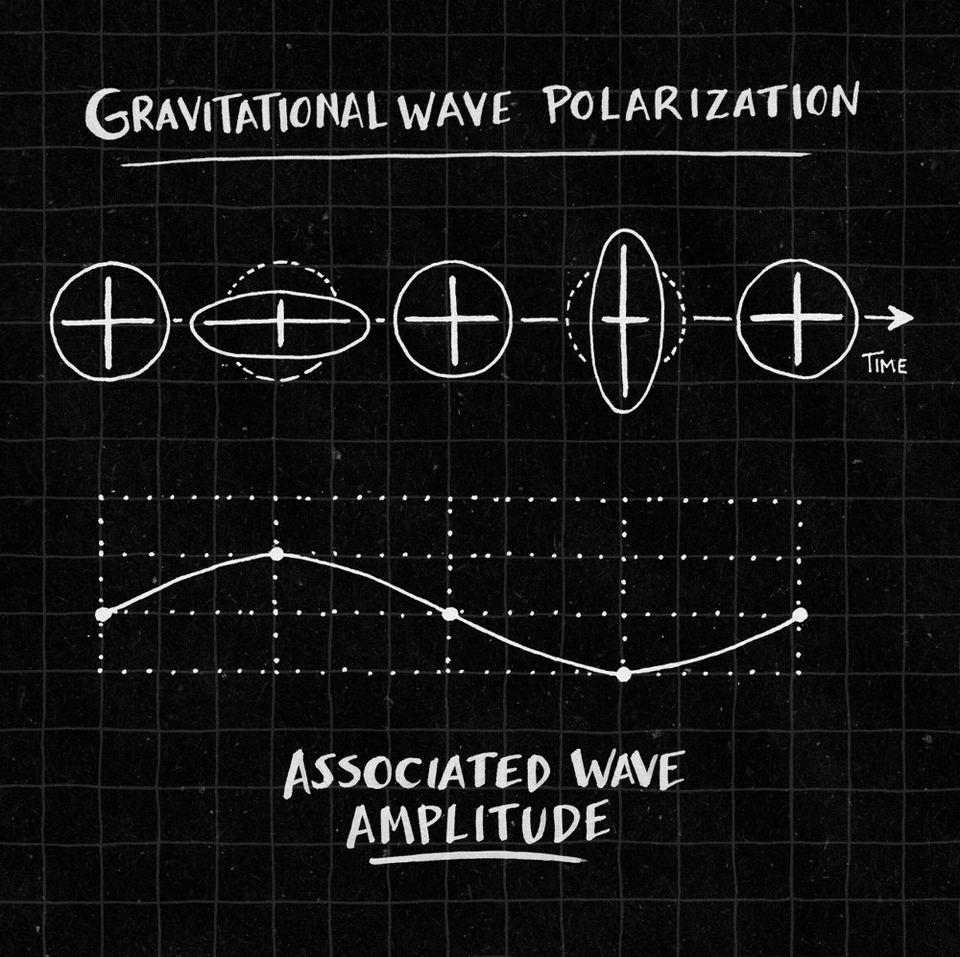
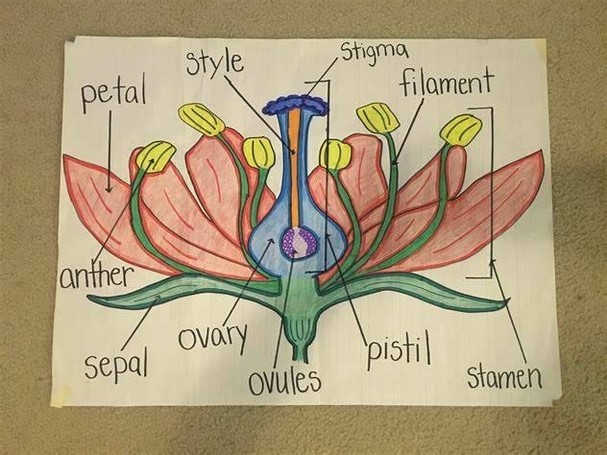
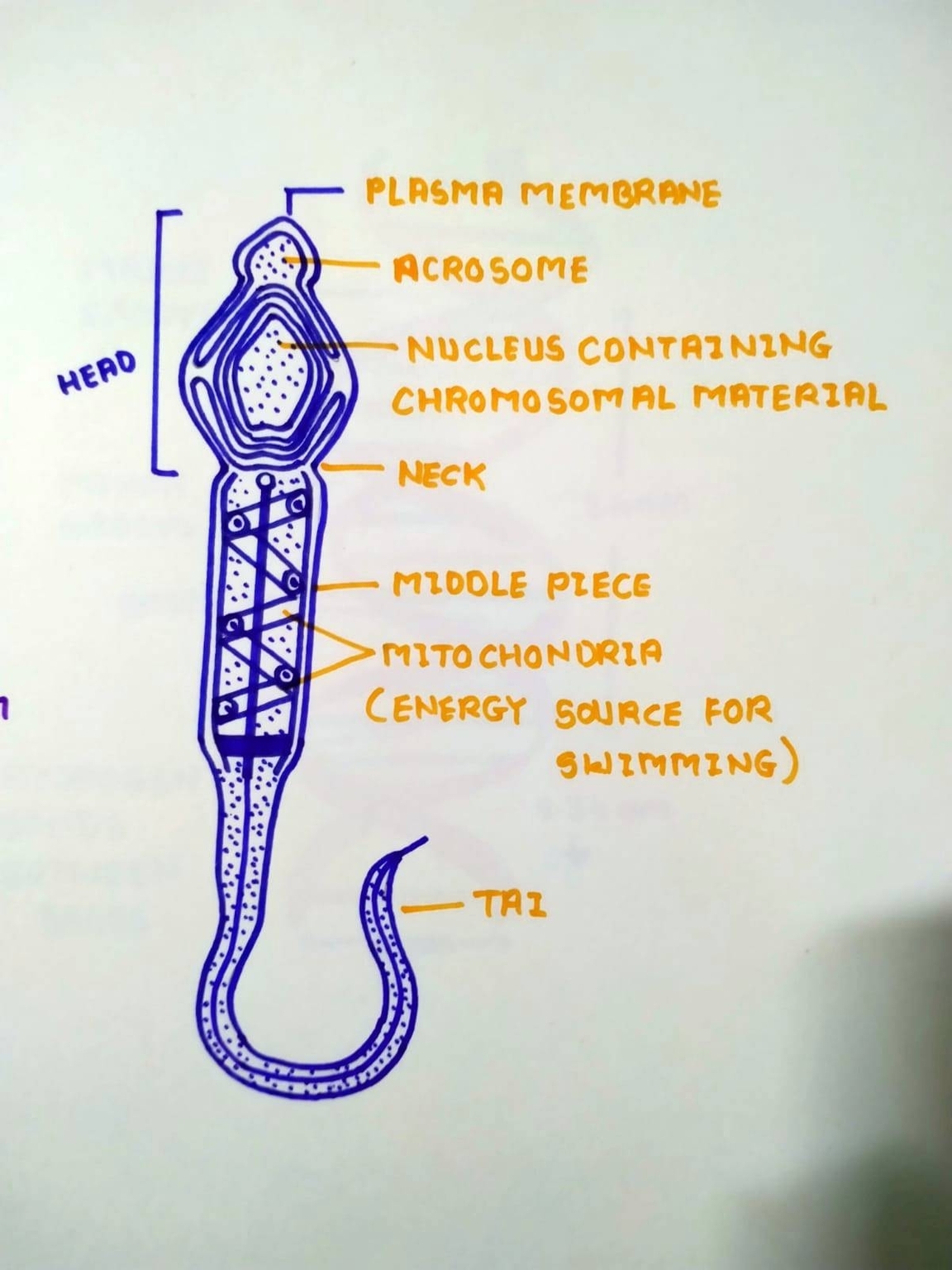
Focus On A Diagram Science

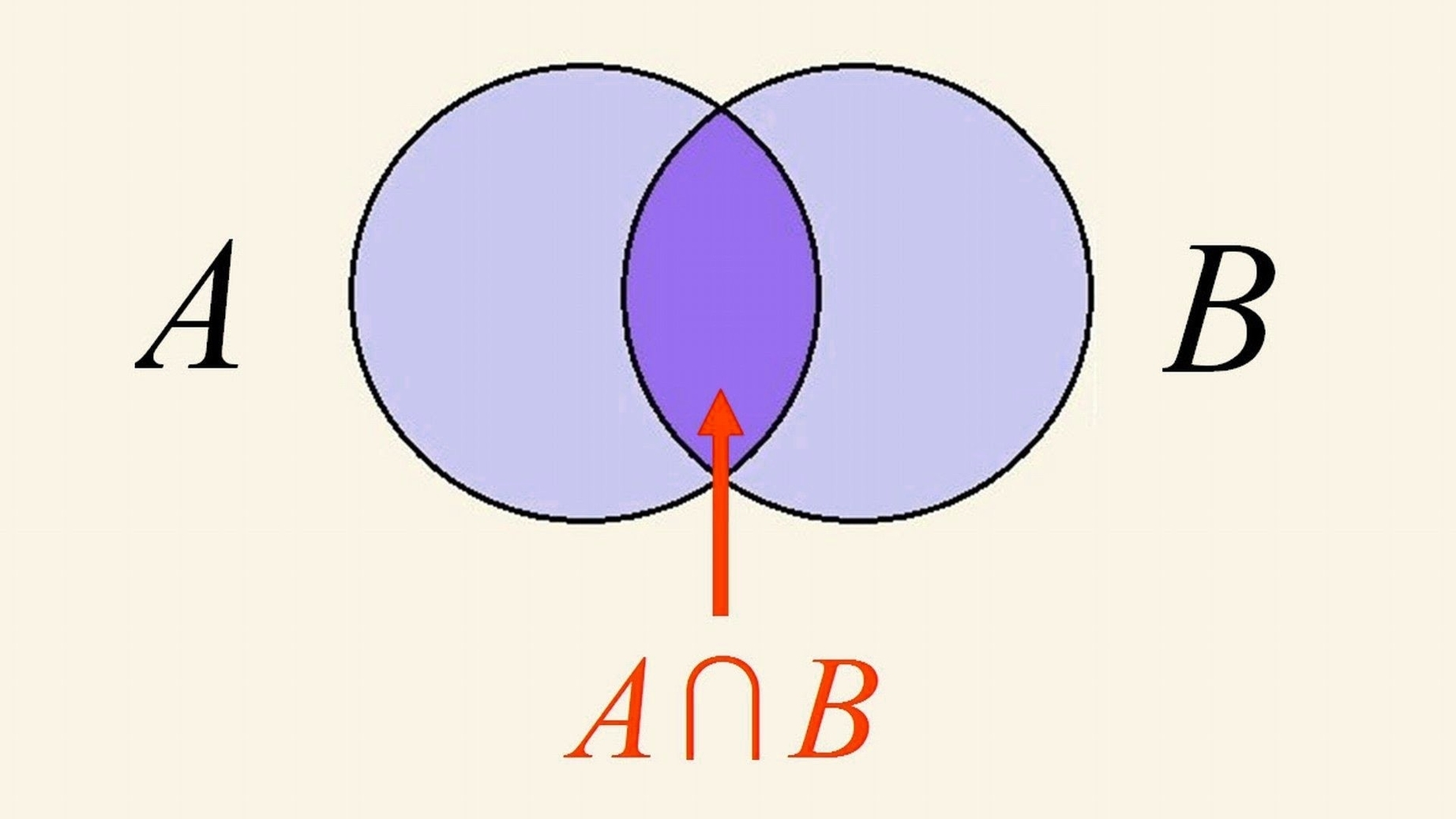
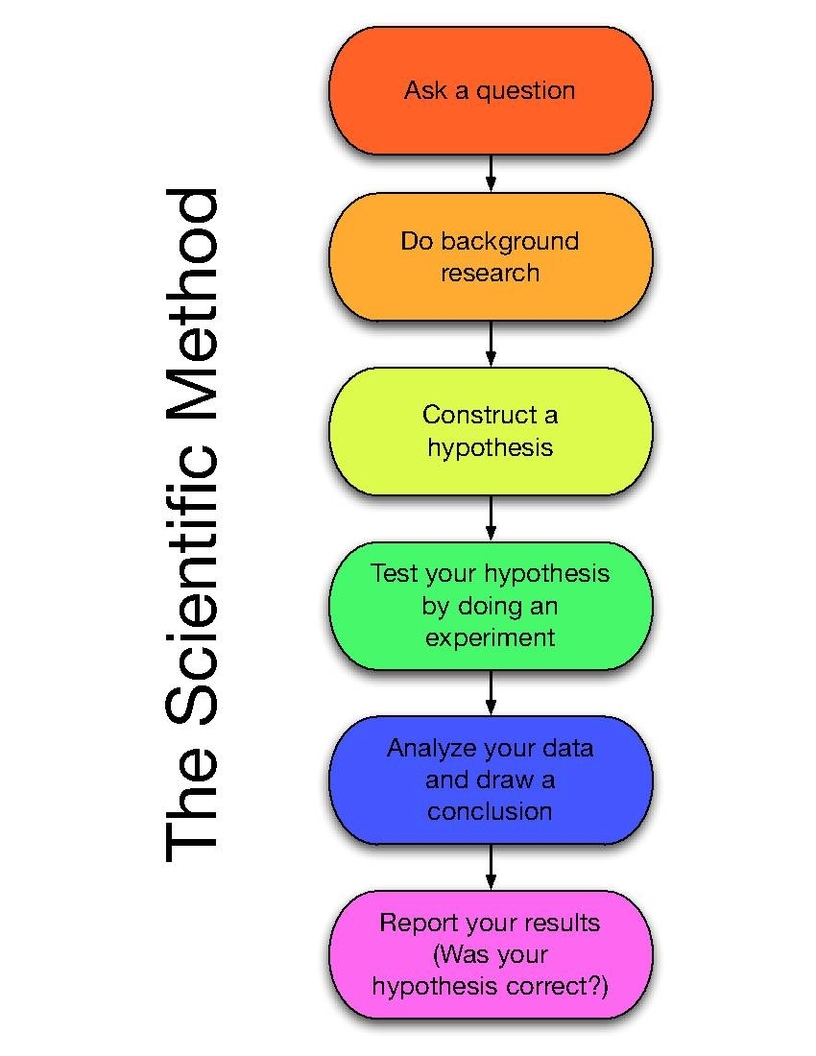
Focus On A Diagram Science: Focusing on a diagram in science involves using visual aids to enhance understanding of scientific concepts. Diagrams can simplify complex information, illustrate relationships, and provide a clear, concise way to present data and theories.

Focus On A Diagram Science