How to Stop Time from Flying

Featured

7 Practical Ways to Slow Down Your Days

Do you ever feel like weeks slip by in a blur? You blink, and it’s already the weekend—or even the end of the year. That fast-forward feeling is surprisingly common, but the good news is there are simple strategies to slow it down. If you’re wondering how to stop time from flying, you’re in the right place. Here are 7 proven tips to help make your days feel longer, more meaningful, and fully lived.

1. Add Novelty to Your Routine

Our brains encode new experiences more vividly than repetitive ones. If every day feels the same, time compresses in memory. Try something new—a hobby, a new recipe, or even a different walking route. Variety stretches your perception of time and creates a richer mental timeline.

2. Practice Mindfulness and Presence

Being fully present in the moment slows time down. Whether you’re drinking coffee or folding laundry, focus completely on the experience. Mindfulness meditation and breathing techniques can also anchor you in the now and help prevent time from slipping away unnoticed.

3. Keep a Daily Journal

Writing down what you did each day helps solidify the memory of it. Even a short journal entry acts as a time marker, giving your brain more to recall later. It’s a powerful way to make time feel fuller and less like it’s vanishing.

4. Break Up Your Week with Micro-Adventures

Don’t wait for vacations to shake things up. Plan small adventures throughout your week. Go to a new café, try a local museum, or explore a new neighborhood. The more novel experiences you insert into your regular schedule, the less your life blurs together.

5. Engage in Deep Work or Flow Activities

Time flies in the moment when you’re focused—but paradoxically, those same moments feel long and rewarding in memory. Get lost in activities you love or find meaningful: writing, painting, coding, gardening. That deep focus stretches time in the long run.

6. Take Photos and Reflect

Take intentional photos of people, places, and things—not everything, just the highlights. Reviewing your photos at the end of the week or month helps reinforce those moments, building a sense of time well spent and remembered.

7. Spend Time Offline with People

Conversations, shared meals, and real-life experiences stick with us more than scrolling social media. Being present with others doesn’t just build stronger relationships—it also helps you mark time in more meaningful ways. Trust me on this 🙂

Make Time Count

If you’re constantly wondering how to stop time from flying, remember it’s not about slowing the clock—it’s about filling your life with presence, meaning, and memorable moments. By making small, intentional changes to how you live each day, you can create a sense of time that feels expansive instead of elusive.

Try just one of these tips this week and notice how your days begin to feel different.

how to stop time.jpg

R Venn Diagram

R Venn is a term that refers to the use of R programming language to create Venn diagrams. Venn diagrams are graphical representations of the logical relations between different sets of data. They consist of overlapping circles, where each circle represents a set and the overlapping regions represent the intersections of the sets.

There are several R packages that can help you create Venn diagrams with different features and styles. Some of the most popular ones are:

– ggvenn: This package is a ggplot2 extension that allows you to create Venn diagrams using the grammar of graphics. You can customize the fill color, stroke size, and set name size of each circle. You can also use the ggplot2 functions to add titles, labels, and legends to your plot.
– ggVennDiagram: This package is another ggplot2 extension that maps the fill color of each region to the quantity of the data. This way, you can visually observe the differences between different parts of the Venn diagram. You can also adjust the label size, position, and alpha of each region.
– VennDiagram: This package provides functions to create Venn diagrams with up to five sets. You can specify the area size, cross area size, and category names of each set. You can also change the fill color, line width, line type, and font face of each circle. You can save your Venn diagram as a file or display it directly in R.
– gplots: This package provides a function called venn() that takes a list of sets as input and returns a table of the intersection data. You can use this table to create a Venn diagram with the plot() function. You can also access the intersection data for further analysis.

To use any of these packages, you need to install and load them first. Then, you need to prepare your data as a list of sets, where each set is a vector of values. For example, you can create a list of four sets of genes as follows:

“`r
set.seed(20210110)
genes <-

R Venn Diagram

Geographic Information System

A Geographic Information System (GIS) is a computer system that captures, stores, analyzes, and displays data related to positions on Earth’s surface . GIS can be used to map and examine changes on Earth, and it can show many different kinds of data on one map, such as streets, buildings, and vegetation . This enables people to more easily see, analyze, and understand patterns and relationships . GIS technology is a crucial part of spatial data infrastructure, which the White House defines as “the technology, policies, standards, human resources, and related activities necessary to acquire, process, distribute, use, maintain, and preserve spatial data” .

GIS can use any information that includes location. The location can be expressed in many different ways, such as latitude and longitude, address, or ZIP code . Many different types of information can be compared and contrasted using GIS. The system can include data about people, such as population, income, or education level. It can include information about the landscape, such as the location of streams, different kinds of vegetation, and different kinds of soil. It can include information about the sites of factories, farms, and schools, or storm drains, roads, and electric power lines . With GIS technology, people can compare the locations of different things in order to discover how they relate to each other .

GIS applications include both hardware and software systems. These applications may include cartographic data, photographic data, digital data, or data in spreadsheets . Cartographic data are already in map form, and may include such information as the location of rivers, roads, hills, and valleys . Cartographic data may also include survey data and mapping information that can be directly entered into a GIS . Photographic interpretation is a major part of GIS. Photo interpretation involves analyzing aerial photographs and assessing the features that appear .

In summary, GIS is a powerful tool that allows people to analyze and understand spatial patterns and relationships. It can be used to map and examine changes on Earth, and it can show many different kinds of data on one map. GIS technology is a crucial part of spatial data infrastructure, which is necessary to acquire, process, distribute, use, maintain, and

Geographic Information System

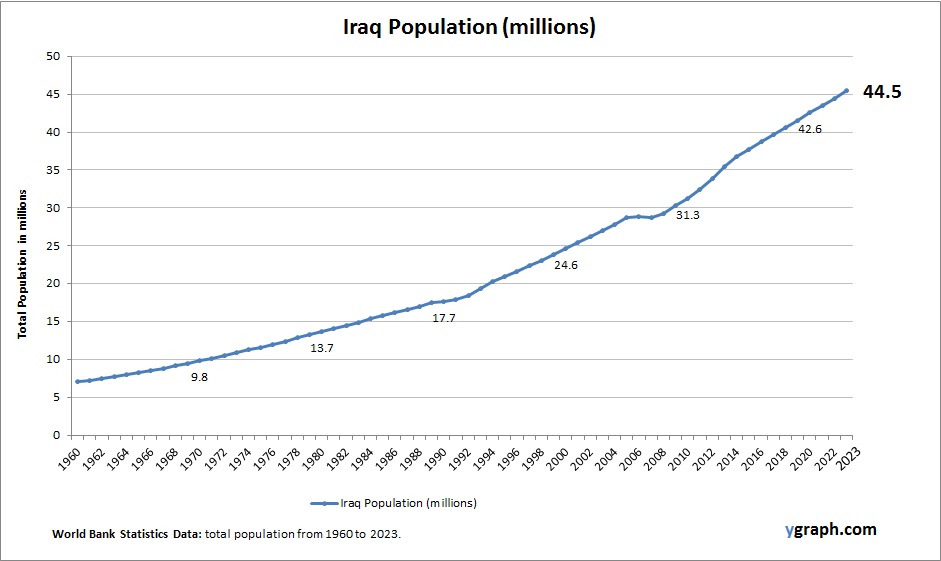
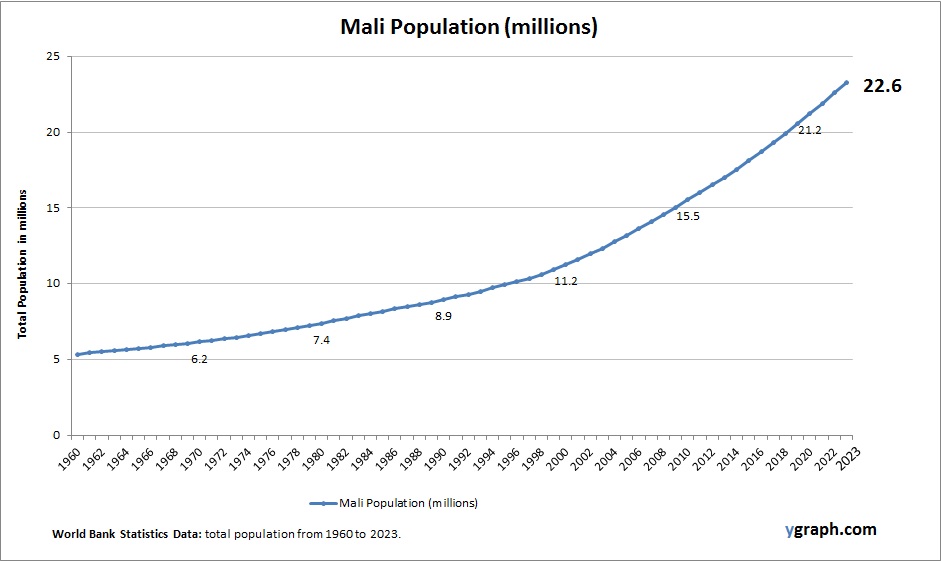
Oman Population

Chart above demonstrates Oman Population. The country statistics are compiled by World Bank. Latest population information for Oman.

Oman’s population is growing steadily, with a notable portion made up of expatriates who contribute to the country’s labor force, especially in construction, oil, and service sectors. The native Omani population is relatively young, and while the fertility rate has declined in recent years, it remains higher than many developed nations. Government investment in health and education is shaping future demographic trends.

Oman Population

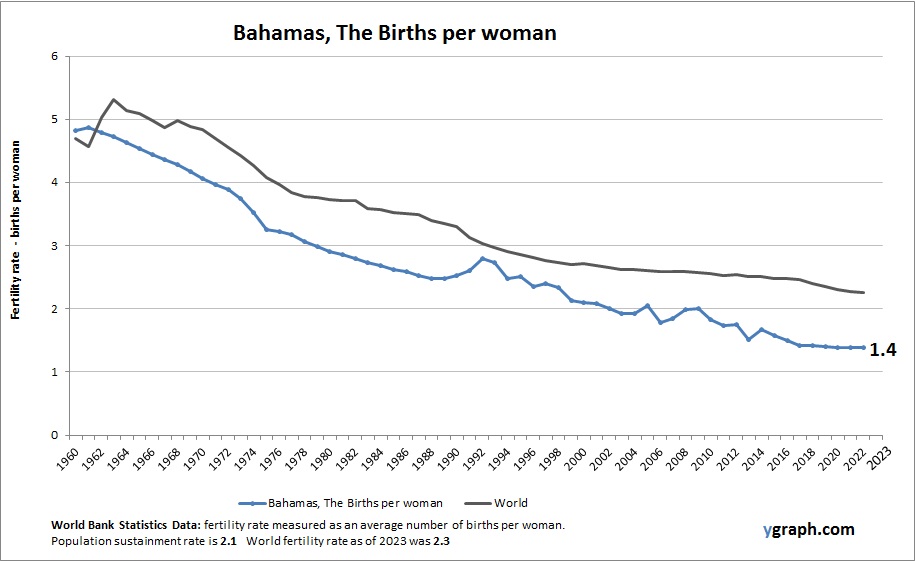
Central Europe and the Baltics Births per woman

This diagram presents Central Europe and the Baltics Births per woman. World Bank is the source of this birth data. Based on the latest demographics info provided for Central Europe and the Baltics.

Fertility rates across Central Europe and the Baltics remain below replacement level, despite various family-friendly policies. Economic migration and aging are significant issues, and regional governments are working to incentivize higher birth rates.

Central Europe and the Baltics Births per woman

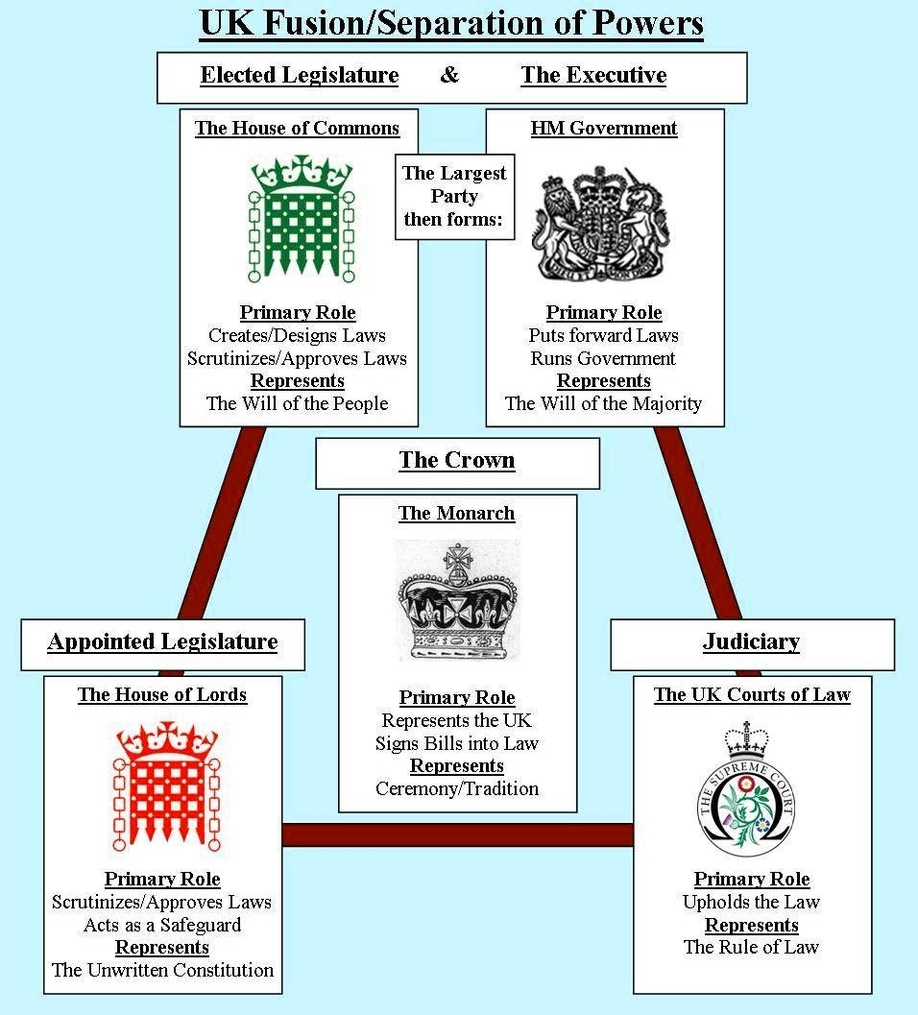
Political View Chart Illustrated

Political View Illustrated: Political illustrations, often seen in editorial cartoons, use visual satire to comment on political events, policies, and personalities. These illustrations can influence public opinion by highlighting societal issues and political hypocrisies through humor and artistic expression.

Political View Chart Illustrated

Croatia Births per woman

Chart above demonstrates Croatia Births per woman. This is according to World Bank birth stats by country. Based on the latest demographics info provided for Croatia.

Croatia has low fertility rates below replacement level, contributing to population decline and aging. Migration, particularly of young people to other EU countries, exacerbates demographic challenges. Urban centers maintain more stable populations, but rural areas face significant decline. Efforts are being made to encourage family growth.

Croatia Births per woman

Human Health Diagram Explained

Human Health Diagram Explained: A human health diagram typically shows various aspects of health, such as physical, mental, and social well-being. It may include factors like nutrition, exercise, mental health, and healthcare access, illustrating how these elements contribute to overall health.

Human Health Diagram Explained